How To Go About Creating an Email Marketing Strategy

The most important element of an email marketing strategy is the relationship between you and your audience. Do they trust you? Do they know who you are? 

According to Statista, roughly 281 billion emails are sent every single day. This number is predicted to grow to 347 billion emails daily by 2023.

There is no doubt that email marketing is still playing a huge role as part of digital marketing strategies. This is why today we will be writing about how to create an email marketing strategy.

Even former President Obama was using email marketing which led to his success in the 2012 Presidential election.

An opt-in page for Obama’s email marketing strategy

So, to help you win more customers the way President Obama won the election, we will be looking at some email marketing strategies. Then, you will be able to find ones to incorporate into your business.

1. Personalization

Personalization tactics are key to increasing your customer experience. One of the best email strategy, or any digital marketing strategy these days, are the use of personalization. Research has found that an average of 71% of consumers express frustration when their shopping experience is not personalized.

One example is adding your recipient’s name in the email. For example, instead of “Dear valued customer,” use “Dear Steven,”. 

Another way to personalize your emails is by recommending your products to the customer based on their purchase history. This will help you cater products to your audience.

This kind of strategy can be implemented using email marketing tools such as MailChimp.

2. Subscriber Segmentation

Market segmentation is a huge part of all marketing planning. Subscriber segmentation is the same. The more you know your customer and the more you are able to cater to them, the better your chances of delivering better customer experiences by incorporating the right content to them. By segmenting different kinds of customers, you can deliver an email marketing strategy that will best suit them. Here are a few ways you can segment your audiences:

  • Industry – Let’s say you are a retailer and your target customer is a business that sells computer hardware. Your email campaigns will receive a much higher engagement rate if you send them emails recommending computer hardware compared to sending the same email to a business that sells books.
  • Company size – By segmenting with company size or annual revenue, you can market certain levels of B2B product or service depending on the business’ capacity. 
  • Sales cycle – Buyers who are in their earlier stages will likely be less receptive to an aggressive sales pitch or product demos. However, they will likely appreciate information on industry research. In contrast to buyers deeper in the cycle, they are likely to respond better to free trial offers or product webinars. 

3. Mobile-Friendly Emails

Emails opened on mobile devices account for 46% of all email opens and the number is growing. This is exactly why your emails should be mobile friendly as it will tremendously add value to customers in your email marketing strategy.

Half of all promotional emails sent to customers are still desktop-oriented. Therefore, you will be further ahead from your competitors just by implementing responsive design in your email marketing strategy.

It had also been found that 55% of smartphone users make at least 1 purchase after receiving a mobile promotional email.

However, while simply sending emails alone can be effective, you can increase the effectiveness even more by optimizing your emails. Here are some ways you can optimize your emails for better conversions as part of your email marketing strategy:

  • Implementing responsive email design – most email service providers already provide you with the solution as part of their features.
  • Keep subject line and pre-headers short and simple – Subject lines can make or break your email open rate. Don’t let your emails go to waste by implementing an attractive subject line. You can look at ones in your own email box for some examples of a good subject line.
  • Include a Call-To-Action (CTA) – Make sure that CTAs in your emails are noticeable whether they are viewing the emails on desktops, mobiles, or tablet devices. Make your CTA big and bold.

Tip: 41% of marketers say that email is the most effective method in sending offers to mobile consumers during holiday shopping seasons.

4. Automate Email Campaigns

Email marketing automation should be set up when possible.

These are trigger-based emails that are automatically sent out to users who signed up after showing certain user behaviors. One of the most common trigger emails are ‘welcome’ emails, ‘thank you’ emails and ‘transactional’ emails.

According to Campaign Monitor, automated emails generate up to 320% more revenue compared to non-automated ones.

The reason why automated emails perform so well in an email marketing strategy is because of the context. It is the middle ground between transactional emails and direct marketing emails.

For example, let’s say you visit an eCommerce store. You’ve added some items to the cart but started to grow some doubts and decided not to complete the purchase.

With email marketing automation, you will receive an email for the product you were shopping for just an hour later. Your interest in the item will likely grow because of it. Imagine if there were a link back to your shopping cart and a free shipping code or a 10% discount code for the order? You’re likely to go back to complete the purchase.

This is why trigger emails are so powerful. Setting it up does not have to be expensive or complex either. You can simply start with any one of the auto-responders out there today.

Conclusion

Having an email marketing strategy will provide you with a better way to connect with customers and grow your ROI. Keep in mind that if all your emails are about selling your product, it is less likely to sell unless your audience trusts you enough to deliberately sign up and be on your mailing list for the sake of receiving promotions.

MG-Blog-8

How To Start Affiliate Marketing For Beginners | 2020 Guide

Passive income. Most people who strive for passive income initially achieve it using affiliate marketing. You may be wondering about how to start affiliate marketing on your own or as a side income for your business. 

The idea of affiliate marketing is to promote other people’s products. It is usually with the help of affiliate marketing programs or networks. You typically earn a percentage of those products sold through your marketing as part of revenue sharing

As defined by Shopify, “Affiliate marketing is an online sales tactic that lets a product owner increase sales by allowing others targeting the same audience—“affiliates”—to earn a commission by recommending the product to others. At the same time, it makes it possible for affiliates to earn money on product sales without creating products of their own.

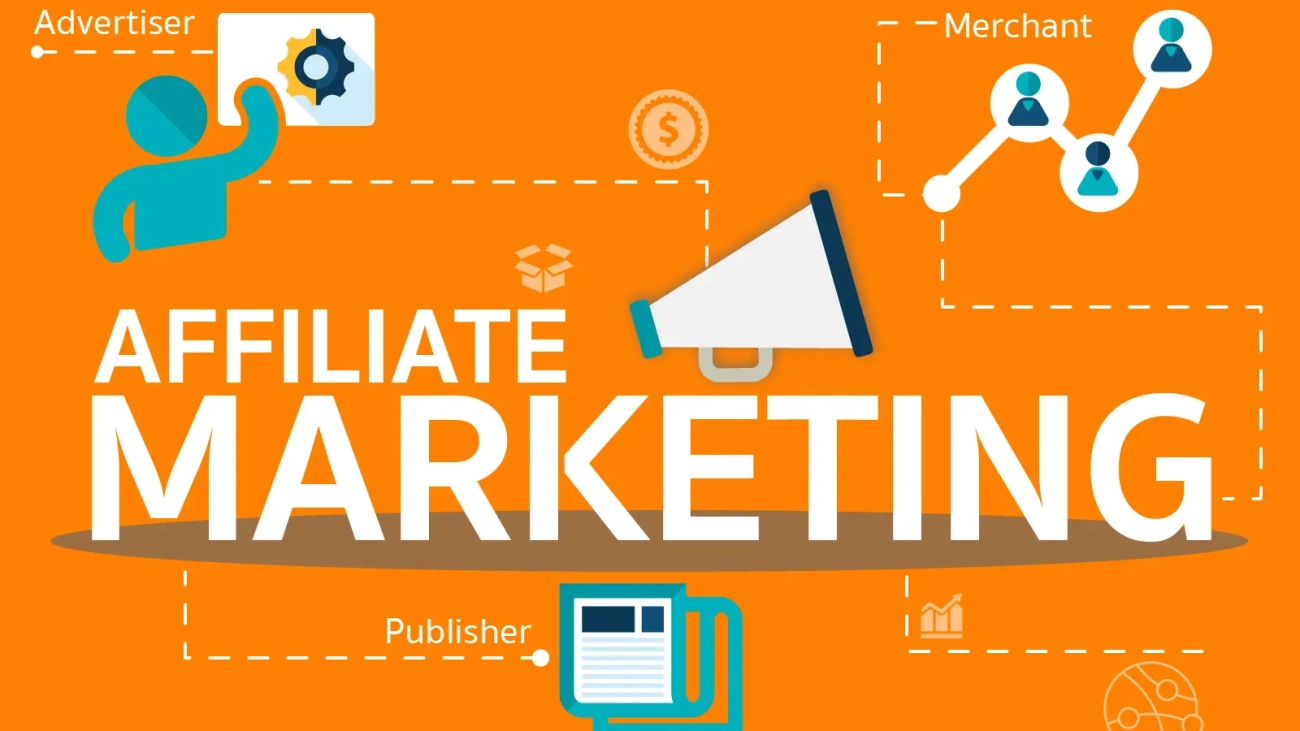
There are 4 different parties involved in the process of affiliate marketing: the product creator (or the merchant), the affiliate network, the marketer, and the customer. It allows for both product creators and product marketers to receive a share of revenues in accord with their contribution.

The Merchant

The Merchant, also known as the product creator, or the brand. These people are the ones who create the product for selling and can range from big corporations to small businesses. As long as they have a product to sell, they are the merchant.

The Affiliate

Similar to the Merchant, this party can be big as well as small companies. They can earn from a few hundreds of dollars to thousands or millions a month.

They are the ones who do the marketing to attract and, essentially recommending the products to potential customers. This marketing effort is all in hopes that the customers will end up buying the product through our link or using our code, usually for an extra discount. It can also be in the form of an entire site dedicated to certain products.

One of the most popular affiliate network sites is This is why I’m broke.

The Consumer

This is the customer, they are the ones who allow the affiliate system to run. Without customers, there will be no sales for the Merchant. Neither will the affiliate receive any commissions.

The affiliates are ones who market their products to the consumer however they see fit. Some examples are through social media, content marketing, or even digital billboards. 

The Network

Not many people consider the network as part of affiliate marketing. However, it is still an essential part of affiliate marketing programs. There is an intermediary between the affiliate and the merchant.

Affiliate networks such as Commission Junction or ClickBank will help the affiliate marketing process much easier by handling the payment and product delivery.

Depending on the product, the affiliates may be required to enter the affiliate network as some products may not be available elsewhere for affiliates to enter.

To summarize, you can become either a merchant or an affiliate marketer. 

If you were to become a merchant, you can have others promoting your product. This promotion is in exchange for giving others a commission for their sales.

If you were to become an affiliate marketer, you can choose one or more products to promote. Then, you can market them to consumers to make money.

For today, we will be discussing how to become an affiliate marketer.

For Merchants: How To Start Affiliate Marketing

If you want to be a merchant, you will have to create affiliate marketing programs. You will be selling your product with the help of affiliates. This can be done in 4 steps. Keep in mind that these are not easy, but many people have already achieved it.

  1. Come Up with a Product Idea
  2. Validate Your Product Idea
  3. Create Your Product
  4. Become Part of an Affiliate Network

Step One: Come Up with a Product Idea

This step is most likely the easiest among all the other ones. Your idea does not have to be completely original. Rather, innovate from something that already exists. 

Think of how to make a product you are already using better. This should be within the field of your own interest. However, do not get too attached to your idea. Stay flexible to make sure that you can adapt to what consumers want out of your product.

Reading reviews of those products are extremely helpful in coming up with those ideas.

Always ask yourself, will people pay for this idea?

This leads us to the next step…

Step Two: Validate Your Product Idea

This step is essential to making sure you can actually obtain sales. It will help you save time, money and effort. 

Now, to really make sure that people would be willing to buy your product, simply ask them. 

Be specific and make sure that you are asking if they want to buy your product because, most of the time, people will likely say that they like something just for the sake of being nice. While it is perfectly alright to be nice, we need a surefire answer in order to make sure that your product idea is good enough that people will see the value in buying it.

You can ask your friends or strangers on various social media. Make sure that you are asking people who are related to the product!

For example, if you are interested in selling a step-by-step guide to starting a small business, you can ask people who have commented or tweeted about a blog related to entrepreneurial ventures. Send out plenty to make sure you have enough people in your for the rest of this step.

If most people replied that they would not buy this product idea, take into account their feedback. What other comments did they make? Is there a way for you to improve upon this idea? Either develop your current ideas or pick a new one and repeat the steps above.

After a good number of people have replied with a yes, the next step is to answer those replies. Provide a link for them to buy, and that once a certain number of people buy it (let’s say 5 ), you will create it.

The reason for this is to confirm that people actually want your product idea enough to spend their money on it. 

Once enough people have bought your idea, it is time to start making the product.

Step Three: Create Your Product

Depending on your product idea, this step will vary. One of the best ways to create any product is to first learn how to do it.

Let’s say you will be selling an online course, there are plenty of resources online that can teach you how to do it. So learning these are a great starting point for you. 

Digital products are probably the easier ones to create without too much financial investment needed. 

Step Four: Become Part of an Affiliate Network

If you are selling a digital product, tools like Digital Product Delivery or Gumroad can be very easily set up as these platforms will already take care of the commission process and other payments.

Next, search for and reach out to other merchants who have a decent following within your products’ niche to promote it. This can easily be done with some simple social media and google search.

Depending on how niche your product is, the easier it will be to pitch to other merchants.You will want to contact them by simply introducing yourself, your product, and asking them to partner together for a shared revenue.

Side note: For digital products, affiliate commissions are usually 50% or even higher. This is because there is no cost of replication. Everyone wins from the revenue share, therefore, there is no need to be greedy on this.

Start from trying to get at least one partner first, you can work out the commissions and details later. Just make sure you get started.

Another route to start affiliate marketing for beginners is to become an affiliate marketer yourself.

For Affiliate Marketers: How To Start Affiliate Marketing

It is much easier to start out by building enough traffic on your marketing channels first before actually selling. 

Below, we will be describing the 4 total steps you can use to start out with affiliate marketing. Keep in mind that this is just one way you can go about affiliate marketing and there are other ways as well. Here are the 4 steps:

  1. Pick a niche and review products
  2. Building an email list
  3. Live Webinars
  4. Pay Per Click Advertising

Step One: Pick a niche and review products

Think of the product you are already using in your day-to-day life. Is there one you are particularly interested in? 

This could be a book, a kitchen gadget, or hair styling tools. 

You can look around for the exact product or something similar in affiliate marketing networks. 

One of the places with a wide variety of products is Amazon Associates.

Make sure that your product recommendations are genuine and authentic, that way people will not be thinking that you are just trying to make some quick money off of your audience.

When writing blog reviews, you can use affiliate links. Affiliate links are the links to the products you are recommending. They usually follow a regular URL with “/ref…” at the end.

However, as you can see, relying on other people would require a large amount of traffic to actually make a good amount of money. This leads us to step two.

Step Two: Building an email list

Email marketing is still one of the best channels these days. It is also a great way to start affiliate marketing for beginners. Here are 3 ways you can do this on your website.

Header Bar

A tool we recommend is Hello Bar.

This will put up a call to action at the very top of your website. Offering an incentive such as an ebook that includes your product reviews or sending your audience to an email of the product review video will help as part of your marketing strategy.

Exit Intent Pop-up 

Hello Bar can also be used for this.

An exit intent pop-up will show up on the screen when visitors show signs of leaving your website such as moving the mouse towards the “X” button. You can use it as a way to offer some kind of resource your audience will be interested in as an exchange for their email.

Sidebar Widget

When it comes to sidebars, affiliate marketers must make sure that the ones on their website are not overly cluttered. Having only one call to action is enough. This should also provide some kind of value to your audience in exchange for their emails.

Some tips in affiliate marketing for beginners are to send your audience an update once a week. It is important to not make all of your emails about sales. Only when you create a new product-reviewing post.

Step Three: Live Webinars

This step can be done once you have gathered a few contacts.

These are much more engaging content that is very helpful in higher ticket items. Your audience are likely to prefer watching a live presentation much more than reading a blog review.

LeadPages is a popular tool that you can use to create a simple landing page for your audience to sign up for your webinar. Don’t forget to promote it on your social media to inform your followers one  week ahead of the event!

These can be hosted on Google Hangouts for free or on Zoom as well.

Use this opportunity to talk all about your product as well as answering your audiences’ questions about it. 

If you can get your merchant to provide you with a deal or bundle especially for your audience, it will serve as a great incentive for people to buy.

Step Four: Pay-Per-Click Advertising (PPC)

Once your affiliate marketing starts to take off, it is time to move up to paid advertising.

Although this can be a bit of a learning curve, your affiliate marketing business can scale much more with this step. You can use PPC to:

  • Grow your email list
  • Grow your sales
  • Get more people to sign up for your webinars

When more people sign up for your email list, you will be able to market to them again. This will grow your chances of sales because they have shown interest in your content and are more likely to trust your recommendations.

An efficient and time-saving method of email marketing is to set up your own autoresponder that markets to your email list in an email sequence. There are various tools to help you with this, one we recommend is MailChimp.

Conclusion

To sum up how to start affiliate marketing, there are two paths that you can choose. As a merchant or as an affiliate. Although becoming an affiliate is somewhat of an easier path compared to merchants. The two routes are equally worthwhile. It all depends on your preference as well as your current knowledge.  

As this guide is about affiliate marketing for beginners, we hope this step-by-step process has been helpful! Now go out there and make it happen.

If you own a business or are currently looking for ways to increase your sales, let Marketing Guru help you. Get a free consultation for your digital marketing strategy today! Contact us here.


Read More...

MG-blog-6-smm

Social Media Marketing Strategy: How To Execute It and Win Customers

Using social media marketing strategy in your business will undoubtedly help with your brand as a whole. Today, not only can it be used to increase brand awareness or drive more traffic to your website, but also as a social listening tool where you can observe the things your customers are saying about your brand as well as a way to engage with your audience.

Here are the 5 key elements of a social media marketing strategy:

  1. Strategy
  2. Planning and Publishing
  3. Listening and Engagement
  4. Analytics and Reporting
  5. Advertising

Once you have read through all 5 of these key tools, you will be able to fully apply and leverage social media in your business.

1. Crafting a Social Media Marketing Strategy

“Strategy without tactics is the slowest route to victory. Tactics without strategy is the noise before defeat.” ⎼⎼Sun Tzu

Before diving right into the action, it is important to plan out the bigger picture to help guide your marketing. 

What’s your goal? 

How will using social media help you achieve your objectives? You can increase your brand awareness, drive traffic and sales, drive engagement, create a community, and have it as your customer support channel.

Which social media platforms should you focus on? 

There are so many channels that you can leverage for your brand. Some major ones are Facebook, Instagram, Twitter, LinkedIn, Pinterest, YouTube, and TikTok. When starting out on social media, it is best to pick out just a few channels.

What type of content should you share? 

Think of who your audiences are. What would they want out of your content? Do they prefer images, videos, or link posts? Create a marketing persona to help you answer the previous questions. Keep in mind that your type of content does not have to stay fixed because the market constantly changes in our digital era. You can experiment with your posts and be flexible with your strategy when some posts perform better than others.

2. Planning and Publishing AKA Getting Ready and Taking Action

Being consistent when posting your content is extremely important. There are many pages and profiles on social media that has never been updated in months or years. By posting consistently, your audience will see that your business is still active.

Publishing consistently will require a content calendar to help you know exactly what will be published. You should plan and create these posts ahead of time and schedule them using tools to save time. Some tools you can use are Buffer and Hootsuite, for example. 

Some tips: Once you create evergreen content, repurpose them in different formats and post it a few times on different channels over the next few months. This could be in the form of a new caption, a new graphic, or a link to the post.

3. Listening and Engagement: Interacting With Your Audience

Once your social media following starts to grow, more people will be discussing about your brand online. There will be more direct and indirect interactions with your business.

What you should do at this stage is to observe the comments about your brand. This can be from direct feedback or brand mentions. You can use social listening tools to help you learn about people who have mentioned about your brand online and learn of their opinions, whether they are positive or negative.

From here, you can adapt your business to answer customer needs. For example, you can use those feedbacks as content ideas, or to learn about the business’ weaknesses to improve certain aspects of your brand.

Some more tips: Don’t forget to interact with your customers who commented on your posts! Not only will this help them feel appreciated with this interaction, but it will also encourage more engagement from more of your audiences.

4. Analytics and Reporting

Unlike traditional marketing, most forms of online marketing are quantifiable.

With the help of analytics tools, you will be able to learn how well your social media marketing is performing. 

In social media platforms, basic tools for analytics are usually provided. However, to obtain more in-depth data or to be able to compare data across all your social media platforms, external tools should be used to help with this such as Sprout Social, Buffer, and Hoot Suite.

5. Paid Advertising

After building some social proof from growing your followers or if you have the funds, it is important to consider using paid advertisements in your strategy. 

The power of social media advertisements is in its ability to create very specific target audiences based on many different kinds of demographics, interests, behaviors, and more.

At first, you may think that the advertisement pages may be intimidating to look at. However, these social media platforms encourage us to use these tools because it is where they profit from which is exactly why there are various tutorials as well as tips while using the advertisement features to make it easier to get used to. 

Once you learn the different features it has, you will be able to advertise and optimize your ad campaigns and budget as you need. Of course, analytics play a huge role in online advertising so be sure to take a look at your key metrics such as clickthrough rate (CTR), cost per 1000 impressions (CPM), bounce rate, and more.

The Bottom Line

So what can a social media marketing strategy do for you? According to Sprout Social, 53% of consumers have said that they are likely to purchase from brands that are transparent on social media, and brand transparency is heightened by a company’s presence of social media. This finding provides an opportunity for businesses to create more personal interactions with their customers and grow their revenue.

It is important to note that any social media marketing strategy can take time and expertise to execute, especially when using paid advertisements which may sometimes be a hit or miss. If you are looking to add a social media marketing strategy to your business or want to level up your SMM game, Marketing Guru can help you save both time and energy with our service. We also give free consultations for your digital marketing plan! Contact us here.

Read More...

mg

How Can Businesses Affected by COVID-19 Prepare for Life After Pandemic?

The Norm After The Storm

The coronavirus has changed the way businesses operate and put some businesses out of commission. We are already about 5 months into this pandemic and yet the uncertainty remains. With questions like “How long more is this going to last?”, “Has the virus peaked yet?” and “When can my company get back to business as usual?”. These questions are most likely going to remain practically unanswerable.

What we do know for certain however is that there will be an end to this pandemic, the storm will eventually pass, and business as usual will be back in time to come. However, the impact of this pandemic will last and businesses must adapt in order to nurse themselves back to life.

Analysts are coining the term “The New Normal” to describe how drastically things would change in terms of way businesses handle their operations after the pandemic. The transformations undertaken by some companies to adapt to the norms of the current COVID-19 predicament will result in a shift in consumer behavior and habits.

For businesses to quickly bounce back and return to scale post-COVID-19, they would have to plan ahead. Reimagining and reinventing their own companies based on what this new normal means for their operations.

The signs of what the new normal is, point to going digital. A Nielsen research conducted in Asia has shown that consumers who shopped online the first time during the pandemic are very likely to continue to shop online in the next 12 months. Ecommerce and online sales have long been a thing and were always seen as the potential culprit in killing off traditional brick-and-mortar retail. Now, the once-rising industry has transformed to become a part of everyone’s lives, being the only way for businesses to reach out to their customers in these trying times.

This is exactly why businesses would require a digital strategy now more than ever. Crafting a digital strategy is a daunting task, especially for businesses that haven’t primarily engaged in any of their online channels prior to this crisis. But fret not, because this article is here to help. We will be discussing digital marketing tips and ways that businesses affected by this pandemic could use to help them gain a spring in their bounce back into the new norm.

Adding Value to Your Customers with Your Digital Strategy

Having people stay at home and not go out for social activities would mean more time to be productive. People have more free time now to invest in finding ways to upgrade themselves and their skillsets. This is evident from a quick Google Trends search on the search term “Online Courses”.

Google Search Trends for Online Courses have been on the rise

We could clearly see in the graph shown by Google Trends that there is a spike in the search term around the Mid-March period where many countries were going into a full-blown lockdown. Other search terms like “Online courses during lockdown” and “Free Online Courses During Coronavirus” are also rising search terms.

This is a fantastic opportunity for businesses to tap on.

Some of the industries that were hit the hardest by this Coronavirus pandemic are apparel and non-food retail sector. The rising trend of online courses can be utilized by these businesses. Businesses operating in these sectors could offer quality online courses that integrate their company’s products into the course’s content to attract new customers. For example, apparel businesses can come up with online styling courses or manuals that use their company’s upcoming product catalog as part of their styling references. This creates excitement and generates hype for the company’s upcoming and existing products.

Having quality content is also another way to boost your brand’s image. By creating online courses that enrich your existing and potential customers’ lives, your business will be seen as competent front-runners in your domain. This helps to perfectly prime you for business right after the pandemic!

Offer Free Courses for Your Customers, Like Moz did! (Source: Moz)

Courses are of course one way of offering informative content to your potential customers, there is a whole range of methods that you can also utilize to add value to people’s lives like Infographics and how-to videos. Just remember that as a part of your digital strategy, Google Trends will come in handy in helping you to spot and identify the types of content that people are looking for in this period.

Find New Means of Marketing

video marketing for covid-19

As a business, adapting to the new norm would mean re-thinking the ways that your business has been delivering its marketing messages

Media and content consumption has been increased due to this pandemic. GlobalWebIndex’s Media Consumption report has shown that 76% of U.S. online video watchers say that they plan to consume just as much of online video content after the outbreak as they did during the outbreak.

The increase in online video consumption presents itself as an opportunity for businesses. Brands are capitalizing on the hike in media consumption by creating video content to entice their customers, adding to their repertoire of methods in reaching out to customers.

As retail businesses cease to operate during the mandated lockdown periods in countries all over the world, companies look toward creative mediums to reach out to their consumers.

One emerging trend that retailers are employing during this period is the use of livestreams to sell their products. This is akin to the popular early 2000s infomercials on television where products would be promoted with their benefits being shown. Livestreams are evidently a well-received source of entertainment during the COVID-19 period, with Chinese eCommerce giants Taobao’s showing double the sessions on their livestream platform.

Similarly, the events industry which has taken just a big of a blow as retail with cancellations due to government mandates, have also taken to video streaming as a means of continuing engagement with customers.

With the likelihood of media consumption remaining about the same post-COVID-19 based on surveys, it is safe to say that your company should start expanding your digital strategy to include livestreams and video content. The new normal that we’re about to head into may be one that is dominated by video content and by preparing to content to properly market on these channels ahead of your competitors is what will help you bounce back after the dust has settled.

Advertising Ahead For The New Normal

Another strategy that companies can employ is to advertise ahead and market promotions that will begin after the pandemic.

An industry that could utilize such a strategy would be the travel industry. Neil Patel’s blog article on web search traffic amidst the COVID-19 pandemic has shown that the travel industry’s search traffic has seen the greatest decline. This may seem like an alarming trend that should force agencies to hit the panic button and pull out of their marketing efforts. However, companies must remember that there is still a market to capture after the pandemic. Traveling will be one of the things that is on many people’s to-do list after the pandemic.

According to research by Acquisio, click through rates going down and cost per click going up for the travel industry during COVID-19. It may seem sub-optimal to continue advertising on digital paid advertising channels. But, businesses must remember, with the number of companies pulling out of their paid ads, it also means lesser competition and a larger market share waiting for you to capture.

Instead of pulling out of paid advertisements, we would recommend for companies in industries like travel and hospitality to actually continue with these advertisements. After all, you’re only paying upon clicks from potential customers. It would be advisable to carry on with these paid advertisements, but of course, it has to be done with some tweaks.

Flight Cancellation Search Volume During COVID-19 (Source: TowardsDataScience)

For a start, search volume for cancellations of flight, hotel booking, travel restrictions are sky high at this point in time. This is sub-optimal for your paid ads campaign. To counteract this and be more effective with your paid ads, look to add negative keywords relating to cancellations, COVID-19 and travel advisory. You should also be looking to promote on your paid ads, promotions and deals that can be used after the end of this pandemic.

Continuing to keep your ads up will help your business with regaining momentum post-COVID-19 as it would help give it continued exposure to potential customers, granting you the opportunity to cater to them after the pandemic. With some adjustments, your ad spending will become more optimized, helping you weather through this storm while preparing for the new norm.

You may not see immediate results, but remember, this is the long term that we are planning for!

Optimizing Your Webpages

The lockdown in many countries resulted in a spike in consumer online shopping. Whether is it food orders, groceries or daily essentials, many businesses have adapted their business delivery means so that they can continue to operate.

Post COVID-19, consumers that were once wary of purchasing their products online may become more open to buying online. The act of online purchases may become more ingrained into people’s lives as they get used to it.

The effects of the consumer online purchasing behavior may last and now’s a better time than any to be looking at optimizing your own business’s site to gain more exposure and traffic. For a start, you could look to improve your website’s user experience (UX). Start by asking questions like: “Is my website easy to navigate?”, “Would I be able to find what I want as a consumer?”.  Improvements to the UX of your website can help greatly in this period as it could drive more conversions by lessening frustrated customers that churn due to a bad UX. You can further improve your customer’s UX by quickening your webpage’s load speed as well – which, might we add, is also a crucial ranking factor in Google’s search engine algorithm. Other things that you can do would be to publish valuable content related to your products and industry. These would help you rank better in the results page. For more methods on helping your site rank better on Google, check out our article on actionable SEO tips.

Optimizing of your website for the search engine during this time would be one of those good long term investments that you’re making for your company. By ranking higher during this period can help you gain new customers and maintain top of the mind awareness from your potential customers, which translates to more business when we transition into the new normal.

Consistent Engagement on Social Media Channels

To prepare for what happens after the whole pandemic, your business must retain existing customers! The best way to do so is to tap on your existing social media channels to engage them.

We have a global crisis on our hands currently and consumers are looking for companies that they can rely on and trust in tough times. This is an opportunity for you to prove to them that your brand’s reliability.

Give constant updates on changes in business delivery methods as well as operating hours during the outbreak period. Your customers want to hear from you and would be interested to find out the preventive measures your business is taking.

Engagement on social media is also another way to show customers that you care. Think of ways to run promotions or product trials and demos during this period to help ease some of the financial burdens that some people are facing. Discounts and trials will help present your company as a company that is making a conscious effort towards those affected by the virus.

There are other means to constantly engage your customers in this period outside of social media, but it is imperative that you have a digital strategy to plan out engagement touchpoints and execute them during this period. This helps you to have a consistent stream of engagement with customers, allowing for retention, increased trust and potential new customers after the lockdown period.

Wrapping it Up

Preparing for what comes after the storm now is crucial. You don’t want to be heading into the post-COVID-19 period, clueless about what the new business norms are. Take this time to understand what your consumers are looking for and prepare for what the new normal is.

Today’s article has highlighted the importance of having a digital strategy during the COVID-19 period and how it will help your business recover as we transition into a new normal following the outbreak.

Here’s a quick round-up of the tips we’ve covered today

  • Publish Valuable Content to Increase Your Brand’s Image of Competence
  • Find New Marketing Channels and Means to Market Your Products Online
  • Advertise Ahead for the Post COVID-19 period
  • Optimize Your Site for Exposure
  • Consistently Engage to Gain Trust

All these tips should help prepare your company as we head into a more digital normal – based on consumer behavior signals and surveys. If your company requires consulting from a digital marketing agency, MarketingGuru is here to help!

We are offering free SEO audits and consultancy for companies looking to transform their marketing strategy into a more digital one.

Stay safe, practice these tips and your company will come out of this storm stronger than ever.

Read More...

LNCG_M60_01-2048x1365

What is Content Marketing and How to Get Started?

Content marketing or content creation is a term that I’m sure most of you have heard of somewhere. If you’re a student, you’d probably have heard it in marketing class as one of those cliché answers to “how to engage your audience”. If you’re an entrepreneur, someone probably had it pitched to you as a way to help grow your business and brand.

Both answers in the above scenarios are undoubtedly correct. You are well aware that content marketing is definitely necessary for helping to connect with your audience and achieve greater heights in terms of awareness.  But what exactly is content marketing? The term obviously suggests that content marketing is marketing through the use of content, but the breadth of content marketing is wide-reaching. Today, we will discuss in this article what is content marketing exactly to give you a full understanding of the different types of content as well as a basic understanding on how to get started on content marketing.

Definition

According to Content Marketing Institute, content marketing can be defined as

“The marketing technique of creating and distributing valuable, relevant and consistent content to attract and acquire a clearly defined audience – with the objective of driving profitable customer action”

The definition does indeed help us breakdown the vague understanding that content marketing is for “engagement and awareness”. Content marketing’s core objective is to appeal to a CLEARLY DEFINED AUDIENCE through valuable content and ultimately bring your sales up.

What Are The Types of Content in Content Marketing?

content marketing different types

There are literally, tons of ways that content marketing can be done and we aren’t exaggerating. Below is an infographic (which by the way, is also a form of content!) created by Hubspot to illustrate the plethora of content formats available.

Different Styles of Content (Source: Hubspot)

We know, the infographic does look overwhelming with the endless variety of content options that you can produce. Recall that in the definition of content marketing, you’re supposed to be using content to attract your clearly defined audience and create value for them in order to gain business.

You might have noticed that in the graphic above there are content formats like “Vlogs”, “Podcasts” and “Photos”. All these sound like really normal tasks that don’t require any specialization to perform and to some extent, that’s true. Anyone can create content. A random guy who just films his daily life and posts it on Youtube is a content creator.

What distinguishes a content creator from a content marketer, however, is the strategy and approach they would take towards content creation. A content marketer creates content with a game plan. Content marketers strategize, plan and deliver suitable content based on their campaign’s objectives.

The Importance of Content Marketing

Marketing can be segmented into two different forms. Outbound and Inbound Marketing. Outbound marketing is where companies would send their sales team to go and get leads via cold calling, roadshows, mass e-mails and other forms of outreach tactic. While these strategies do get you leads sometimes, but they don’t necessarily guarantee you quality leads.

Content marketing does the opposite. Content marketing is a type of inbound marketing. The premise of inbound marketing is to create attractive, quality content that delivers value to your target audience, enticing them to your business. In return, your business will be able to enjoy heightened brand awareness and quality leads because of the value that you are deemed to be giving to your audience.

Content marketing is also prevalent in the different forms of digital marketing that many business owners are interested in right now. Interested in doing SEO for your business? Content is a key aspect of it as search engines value high-quality content in determining its rankings. Want to run social media marketing campaigns to build your company’s audience engagement? Content is a necessity to drive interaction and brand recognition. Even for things like PPC advertising, businesses definitely need top-notch content to supplement their highly optimized PPC campaigns for success.

In short, quality content is value and value begets awareness and ultimately conversion.

How to Start on Content Marketing?

how to start on content marketing

The process of crafting a content marketing strategy can be broken down into the following steps

1. Goal Definition

Like the start of all good campaigns and strategies, you must always begin with the end in mind. Step one of an excellent content marketing strategy would require you to question yourself on the objective of your content creation. One good guideline to follow is the 5Ws and 1H which refers to who, what, when, where, why and how.

Consider the following

  • Who is the content for?
  • What kind of content would add the most value to them?
  • When do I want to run the campaign?
  • Where do I want my content to be published?
  • Why is there a need for the content marketing campaign?
    • How is this going to add value to my company and audience?

2. Customer Definition

customer definition content marketing persona

You must be very clear about knowing your customers needs to run a successful content marketing campaign. To clearly define the target customer that your content is catered for you should form a customer persona and research clearly on what this persona needs.

The customer persona will include information like:

  • Background Information (Age, Job, Income, Geography, Gender)
  • Behaviours (How does he/she go about his day, what are some of the habits)
  • Wants and Needs (What does the customer desire that the market couldn’t fulfil)
  • Pain Points (What are the issues the customer currently face)

Having a customer persona defined helps to fulfil the criteria of a clearly defined target audience for content marketing. It will act as a guiding principle on which your content is created on as it guides your content’s relevancy and potential value that it can add to your target customer.

You should also plan out your customer’s journey and the touchpoints they will have with your company. To do that, you can use what we call a marketing funnel. You can read more about this and how it helps in planning out the customer journey in our marketing funnel article that we have previously written about.

3. Figure Out What Kind of Content You Want to Create

Now that you’ve established clearly who your target demographic, you will have to figure out how the type of content that you want to create. As mentioned earlier, there is a myriad of content formats that you can use to attract your audience. Find out what you think appeals to them the most and create content based on that.

For a start, you could try something simple like writing blog articles or creating infographics. Infographics are a great way to capture attention and present information concisely. There are tools that can get you started on infographic creation such as Piktochart and Venngage that are easy to use. Case studies are also a great way to start on creating content as it helps to build trust for your target audience in your product.

You could also try tapping on the usage of social listening tools like Awario to try and find out what your target audience’s interests are. The use of these tools can help you to listen in on what your target customer’s authentic opinions are about your competitors and industry. This can help you to spot opportunities for content and thus give you an idea of the kind of content you can create.

SEO tools are also useful for deciding the kinds of content you want to create. Ahrefs is the perfect tool for helping with ideation of content. With the keyword explorer tool, you will be able to find out things like search volume and questions being asked that are related to your targeted keyword. This can help you to generate ideas for blog articles or even videos as Ahrefs SEO software also helps in researching Youtube keyword traffic volume.

With the tools above, you should be able to get a sense of what your defined target audience is looking for and create the type of content that can tackle these desires.

4. Manage and Publish Your Content

The management of your content calendar is crucial to the success of your content marketing campaign. To constantly keep your customers engaged and have your brand be etched in their minds would require consistent production of quality content.

This is why the content schedule is important. Having a content schedule will help you to plan for things like seasonal content which lets you ride on holidays and seasonal trends, some of which may particularly appeal to your target audience. The content calendar also will help you to manage the different platforms that you want to share your content on.

5. Track Your Content’s Performance

content performance tracking

After deciding on your content type, you will carry out your plan and create your content. The part that follows the delivery of your content would be tracking. Fine-tuning of your content marketing campaigns requires tracking and measuring its success.

If your campaign is run on social media pages like Facebook, Instagram, Line Ad or TikTok, these platforms have built-in analytics tools to help you track your content’s reach, likes, views and engagements. However, if you were to be writing blogs and doing infographics, you would need management tools.

For blogs, we would recommend you use content management websites like WordPress, which allows you to track data such as views, how you acquire your viewers and other data for your content. There are also companies like Hubspot offering content management in their Hubspot software.

Conclusion

Content marketing is indeed not as easy as the name would suggest. We know that this might be quite a bit of information to learn, digest and execute. Incepting a successful content marketing campaign is definitely not the easiest thing to do, but with proper planning, creativity and time, it is achievable. It is definitely worth it a shot if you’re new into digital marketing, although alternatively some companies prefer to outsource this effort to a digital marketing agency.

If there is any one key takeaway that you should remember from reading this article, it has to be value. Always remember that in content, value creation is key, value creation is king!

Now that you’ve learnt what content marketing is about, why not delve deeper into the depths of digital marketing by learning more about how to build a digital marketing strategy for your business! Or maybe since you probably would have content that you’d need to post on social media, how about you read an article on the 3 basic Facebook marketing mistakes you should avoid?

Read More...

Viruses, coronavirus or bacteria cell in close up. 3D render of global crisis patogen

COVID-19 Digital Marketing and SEO Tips: How to Prepare Your Business for the Downturn?

The COVID-19 epidemic has impacted many businesses across the globe. At this point in time, companies around the world that felt the impact of dwindling sales and falling consumer spending as a result of the COVID-19 outbreak.

As a business, you must have a plan to be ready for the long run despite the pandemic’s effect on your business for this period. Because of governmental regulations from countries around the world and recommendations from the World Health Organization (WHO), people are looking to stay at home or avoid going to crowded places. This results in many businesses, especially those in the retail sector, taking a hit in their sales.

Don’t Panic and Pull the Plug on Your Campaigns!

The COVID-19 period will be trying times for businesses. Those that are operating on tight cash flows will struggle to stay afloat. However, we must realize that this epidemic will not last forever and eventually, life will carry on. This is no time for you to panic and bail on your business.

We’ve heard from customers and customers of our friends that are concerned about their marketing campaigns, with some even pulling the plugs on their campaign and keeping their marketing on hold until the hold epidemic dies down. For brick-and-mortar stores, this is a good time to look into alternative marketing methods. Online marketing could be an avenue worth exploring if you’re a retailer that hasn’t engaged in it yet. In our opinion, when dealing with the business downturn, companies should look for alternative means to market rather than to immediately pull the plug. Reason being, pulling the plug on your campaigns now might potentially lead to an even harder struggle when trying to recover from the downturn. You will very likely be competing in an oversaturated environment as businesses aggressively market in an attempt to recover from the impact of COVID-19.

The use of online marketing to help tank some of the damage that your business is about to take in this period is crucial. Marketing firm Dentsu Aegis Network’s research has shown that 14% of 155 surveyed stated that they were moving their offline media budget to online media. This makes sense as the more this virus progresses on, the more people are going to take it more seriously and self-isolate. Thus resulting in higher internet usage naturally as these are some of the forms of entertainment for people to pass time when they’re not outside.

What we would suggest for businesses to do in this trying period is to prepare for what happens afterwards. The higher internet usage during this period creates more opportunities for your brand to engage with your target audience. Thus, if anything, your business should be looking to capitalize on these opportunities presented to you as a result of the circumstances. Here are some of the ways that you could use SEO and Digital Marketing to prepare your business for the COVID-19 downturn.

1. Prepare For What Happens Afterwards by Retaining Existing Customers

Your business’s presence will be important in these times. After all, if you operate in the retail sector, chances are people will start forgetting about your brand as social distancing and staying at home becomes more commonplace during this period.

In order to prepare for the aftermath of the whole Corona virus situation, it is important for your business to remind customers that you still exist. You are at risk of losing your customers if you distance (pun intended) away from them without any communication. Besides, it is cheaper to retain existing customers than to acquire new ones.

For a start, your company could look to create more content than before during this period. The idea behind using content to engage with existing customers in this period is that naturally, more content will be consumed as everyone starts to increase their internet usage. It is important to remind your customers and keep them updated about what is going on with your business in terms of upcoming innovations and promotions after the whole COVID-19 saga looms over. This will help your customers be reminded of your company’s existence and creates more customer touch-points to engage with them (although we would recommend you keep physical touches at a minimal of course).

Social Media is another great way to help with retention. This is evidently seen from statistics predict that ad spending on social media platforms is set to rise by 22.2% as a result of the Corona Virus. A recent study has also shown an increase in 76% in daily accumulated likes on Instagram advertisement posts in the past two weeks. These statistics show much extra time consumers will be spending on social media during the outbreak.

The key to retention is engagement and communication with your customers. Your customers are interested in finding out how your business is handling the whole COVID-19 situation and what alterations are made to your business delivery methods. They would also want to know that the company that they are buying for cares for its employees, customers and community by implementing measures to help prevent the spread. Thus, it is essential that your company partakes in social media engagement to remind your existing customers of your brand’s efforts in preventing the spread of COVID-19 and interact with them to keep them with your company.

2. Make Sure Your Google My Business Profile is Up to Date

Image result for google my business

COVID-19 has caused many businesses to operate on special hours in order to help prevent the spread of the virus. To help with your customer’s experience of buying or using your company’s services, you must update your Google My Business (GMB) profile. This is a recommendation from Google. Google has asked businesses to update their business hours on their GMB profile, update their business descriptions and write posts to update customers. For example, if your restaurant is only doing take outs during this period, it is important to let your customers know that so they can plan accordingly.

Additionally, you could utilize GMB’s Question and Answer feature to help people understand what your restaurant’s status is and answer some of their worries during the COVID-19 season. Get your employees to help upvote the answers so that it would show up in your business’s knowledge panel as the main question.

If you haven’t already set up a Google My Business profile (which you definitely should!), it is important to have one right now during the COVID-19 epidemic. This is because local searches will see a surge with more people searching for keywords related to businesses near them. To avoid catching the virus, people are looking to commute less in order to avoid large crowds and consequently, they will look for the nearest places to get their necessities. Now is definitely a good time to capitalize on local searches and gain more customers!

3. Have Anything Related to COVID-19 or Cancellations as a Negative Keyword

Image result for google ppc

This tip is especially essential if you’re in the travel or events industry and running Pay-Per-Click (PPC) advertisements. Due to travel bans from governments around the world, travellers’ plans get changed. Companies that want to help their customers out in these circumstances and improve their PR would offer cancellations and even refunds. If you are currently running PPC ads and in these industries, it is best for you to plan in the long run. If this all sounds very foreign to you and you aren’t too sure about what PPC ads are, we have an article written for you that explains the benefits of Google Advertising.

To plan for the long run, you could perhaps shift your PPC budget to target more keywords that are for promotions in the future. Plan for promotions that are only going to happen maybe 4 or 5 months down the road and start targeting these promotions. On top of that, another trick you could employ if you’re still advertising for your company with PPC is to add negative keywords. Keywords tied to cancellations of bookings like “cancel” or “covid-19” can be added to the negative matches list. This helps you not waste your budget on people who are not searching to make a booking.

4. Use of Keyword Research to Plan Business Delivery

With the different ways the COVID-19 can spread, businesses look toward different business delivery means. What is important here is that your business can make use of SEO and digital marketing to help with planning out your business delivery means.

Say for example you’re an events company. Instead of your usual delivery of hosting seminars in exhibition halls, you could look for alternative methods like hosting a webminar for your audience online. Or, if you’re in the grocery or food and beverage business, you would do take outs instead of dine-ins.

To help you make a better-informed decision on what is the kind of business delivery mean your company should execute in these times, you can utilize keyword planning tools. Not sure whether or not you should do drive-in pickup or curbside delivery? Should you do a recorded webminar in place of your events or a live stream on your Facebook page? Keyword researching will help you to make these decisions. By finding out which of these keywords have higher volume in your area, you can help make better-informed decisions on which forms of business delivery is more suitable for you.

Adapt, Improvise, Overcome!

Image result for adapt improvise overcome
Source: KnowYourMeme

The unexpected epidemic of COVID-19 has indeed caused many businesses to tank. We hope that in this article we were able to help you understand how you could use digital marketing and SEO tactics to help keep your business prepared for the months to come.

Just remember, this phase of COVID-19 will pass eventually and everything will return to normal and stabilize. Search Engine Marketing will remain as an essential tool for your business still after all of this is over. Do not panic and pull the plug on your digital marketing efforts, just adapt to the situation, improvise on your campaigns and delivery methods and eventually, overcome this tough period. After all, tough times don’t last, but tough businesses do!

If your company needs an SEO expert well-versed in producing content for social media as well as help you manage your PPC campaigns on multiple platforms including Google, Facebook and LINE Ad, do not hesitate to contact us now on our website! Our business is still fully running despite this outbreak so rest assured, we will definitely get back to you as soon as possible.

Read More...

5 Ways How To Improve Your SEO Ranking

It’s every marketer’s dream to be ranked first for their chosen keywords and stay at the top of the search engine result page (SERPs). While some look for shortcuts to improve SEO ranking, the hard truth is that search engine optimisation (SEO) is never a sprint, it is a marathon that requires continuous improvements. Before reading further, if you are new or unfamiliar about SEO, be sure to head over to our handy SEO guide before continuing.

SEO is probably the most powerful digital marketing tool a marketer has. Not only it is cost-effective, but the long-term benefits also outweigh the short-term cost. In short, once you have already been ranked high on the SERPs, it is unlikely for such ranking to drop drastically.

Companies fight fiercely for search ranking because the benefits are great. Statistics from Databox shows that Google receives approximately 75,000 searches per second, of which 67% of all the clicks go to the top five organic results. Hence, appearing on the first page of search engines is extremely important in getting website traffic – think of it as having a retail outlet right at a busy cross junction, it just means more customers!

There may be many ways and approaches to improve SEO ranking. However, we narrow five ways to help you improve SEO ranking

#1: Avoid Keyword Stuffing

A common mistake most digital marketers commit is flooding your articles and website with the chosen keywords. This may have worked in the past but not now.

Engaging in keyword stuffing will affect your engagement levels with your readers as it reduces readability. In fact, it is also a signal to Google that you’re attempting to trick their algorithms. This method will backfire, and you will end up not being listed in Google’s search results.

Instead, strategically plan for the keywords you would like your website to rank for by using keyword research tools such as Moz. For instance, you decided to rank “IT Services” after conducting keyword research. The ideal approach for keyword optimization is to use the keyword once in your title, description paragraph, introduction, and a few times in your body text – and that is sufficient. Just remember not to spam your article with keywords, quality works better than quantity here!

#2: Avoid Low-Quality Backlinks

Backlinks are among the heavily weighted ranking factors by Google. A backlink refers to the incoming links from other websites. This may be a result of other websites mentioning you in their articles or re-publishing your content.

In the context of backlinks building, quality wins quantity. Multiple low-quality backlinks contribute nothing compared to a few high-quality links. Google view websites with multiple high-quality links as credible and authoritative.

Hence, avoid building backlinks with websites that are penalised by Google – websites with a low domain authority (less than 20) or spam websites. A website’s domain authority can easily be checked using tools such as Moz.

Tip: A good domain authority (DA) is more than 30 and you should ideally aim for the website with DA of 70. A page authority (PA) of at least 10 is generally considered good.

#3: Optimize Your Website For Speed

Whether mobile or desktop, it is crucial to ensure your website loads as fast as possible. This is especially true for mobile since Google’s has a mobile-first policy that uses the mobile version for indexing and ranking. Google provides some tools to check your website speed:

  1. Mobile-Friendly Test
  2. PageSpeed Insights

While the optimal speed varies depending on the industry, every webmaster should aim to increase the speed of their website’s pages. After all, a slow-loading website not only affects your SEO ranking but also frustrate your visitors.

2 seconds is the threshold for ecommerce website acceptability. At Google, we aim for under a half second.

Maile Ohye, Google

There are many ways to improves the loading speed and covering all of it is another topic for discussion. Here are some ways that you should take a look for possible improvements:

  • Image size: Be sure to optimize and compress all images before uploading them.
  • Server Response Time: Ensure your hosting plan is adequate, it may be time to upgrade or change your hosting provider.
  • CSS codes: When using gimmicks like third-party software, pop-ups or advertisement, make sure to remove unused CSS (code comments, formatting) to reduce loading time.
  • Redirects: Reducing redirects minimize the number of HTTP request-response cycle to be completed.
  • Pop-ups: Be careful with using unnecessary pop-ups as certain pop-ups will hurt your ranking.

Of course, there are many other technical aspects that affect optimal website speed. It would be best to consult your web administrator to improve your website speed.

#4: Fix Your Broken Links!  

A broken link is a dead hyperlink on your website that directs to a page with a 404 error. This could happen due to internal and external factors. Internally, your developer could have deleted a linked page, change the URL address but failed to update the correct URL or simply placing an incorrect URL into the text link. Externally, the same issue could happen on other websites you linked to which is beyond your control.

Broken links are frustrating for everyone. For your website visitor, they affect their access to information. For marketers, it poses a challenge as having too many broken links means that Google bots are less likely to crawl the site as they signal to Google that the site has a poor user experience. The end result is that Google is not impressed and view you as unreliable.

Note: Google is all about the user-friendly experience.

Regular maintenance is necessary in order to ensure your website does not suffer from multiple broken links. Fortunately, there are various tools available to conduct broken link checks. For larger websites, once a month is ideal, and you should rectify any broken links detected immediately.

#5: Go Big On Originality

Some websites utilize blogs as part of their SEO strategy. You will be surprised how many people actually think that reposting content from other websites has the potential to work wonders. In fact, if you index a duplicated article, Google will start to view your website as a ‘copycat’ and push you down the search ranking.

Generating good quality original content may require tremendous effort. However, there are a few ways to identify interesting original content to engage your audience:

  • Google Trends: Depending on the industry, you may identify a trending topic for new content.
  • Old Content: You may have a large archive of old content; sometimes a simple update of old articles may be all you need.
  • Existing Content: Look at your existing content and see if you can expand it further. For instance, we could write a new article on “Target Audience Persona” by expanding our Digital Marketing Strategy article.
  • Keywords: Based on the keywords you want to rank; you may come out with topics around them.

Ultimately, do not attempt to duplicate other content on any part of your site. It definitely not beneficial to your site. Once consumers find out that you are a ‘copycat’, your branding would only improve – negatively.

A Final Note

The road to achieving a fantastic SEO ranking is a long journey. There are no hacks for overnight success that improve SEO ranking. The only way to improve SEO ranking is to be committed to dedicating consistent time and effort to keep up with the industry’s best practices. Results will appear in due time and you’ll need to be patient!

If you are looking to improve SEO ranking, engaging a professional SEO agency such as MarketingGuru may be worthwhile. Not only do they possess the relevant experience and expertise, but you also save time trying to figure out the technicities that improve SEO ranking.

Read More...

How To Build A Digital Marketing Strategy For Your Business?

Let’s face it. In today technological advanced world, every business has at least a website and some form of social media presence. What is more important is having an effective strategy to integrate all your digital assets.

What Is A Digital Marketing Strategy?

Whenever digital marketing is mentioned, SEO or PPC advertising are often among the first few jargon that comes to mind. For those who are not aware, they are acronyms for Search Engine Optimization and Pay-Per-Click advertising. However, many seldom mention and discus about establishing a digital marketing strategy.

The series of actions that help you achieve your company goals through carefully selected online marketing channels. These channels include paid, earned, and owned media, and can all support a common campaign around a particular line of business.”

Digital Marketing Strategy
HubSpot Blog


According to HubSpot, digital marketing strategy “the series of actions that help you achieve your company goals through carefully selected online marketing channels. These channels include paid, earned, and owned media, and can all support a common campaign around a particular line of business”.

That’s a huge bunch of words. In short, it is simply how you are going to achieve your objectives by leveraging on your digital assets such as your website or social media accounts.

Why Your Business Needs A Digital Marketing Strategy?

Having mentioned that most business owns a website and a couple of social media accounts means that your competitors are also able to level the playing field. Hence, the only way to stay competitive is to have an effective digital marketing strategy to achieve your objectives.

Some may argue that there are other forms of marketing and digital marketing is just one of them. That may be true, but digital advertising spending is set to overtake traditional in the United States. This underscore the importance of not only having a credible brand image but also the strategy.

The trend in many small and mid-market companies is to outsource various areas of web development, marketing and graphic design to agencies. This fact makes it more important to understand your own strategy. A digital marketing strategy not only convey a unified message to your audience but also helps to establish a reliable brand image.

How To Develop Your Own Digital Marketing Strategy?

For those not in the marketing industry, it may seem like an uphill battle to craft a digital marketing strategy. Don’t let the word ‘strategy’ scare you off. The steps outline in this article can be applied for both large and small companies.

Step 1: Identify your objective and goals

This step should be obvious since nailing down your objectives and goals will help you determine how your digital marketing objective contribute to your overall business objectives. For example, if the business objective is to increase revenue by 50%, your digital marketing goal would possibly be to increase leads from your website by at least 50%. By having a quantitative goal, it helps to determine the best tactics to be successful.

Step 2: Analyze your past campaigns

Chances are that your business has done a digital campaign previously. By identifying the past mistakes and results, it can provide useful insights and help focus the marketing resources.  Based on the insights, you may need to revisit step 1 and change your goal.

For instance, after analyzing your leads from your digital assets, you discover that most came from Facebook. Hence, you may want to focus on a KPI regarding Facebook such as increasing Facebook followers by 30%.

Step 3: Identify your target audience persona

Every business will not be profitable without their customers. Hence, it is of utmost importance for a business to know their key customer groups and their profile. This includes identifying their demographic and psychographics attributes. A simple way to build your audience persona is to take a look at your Google Analytics’ Audience Reports and identify the key characteristics such as age, sex, career, etc.

Step 4: Identify your means

At this junction, it is important to identify three aspect: budget, digital channels and your team. It is important to determine if you have the required budget need to achieve your goals. This could be done by using historical data of your past campaigns to create a forecast of the results. Most importantly, you should also allocate your budget to each channel you intend to use.

This is also the best time to do an audit of your digital channels. You may want to focus more on a certain channel or even explore new channels you haven’t explored in the past. You may also want to evaluate if A/B testing should be implemented for certain channels. If KPI has not been set for each individual channel, it may also be a good time to do so.

The last aspect is your own team. You should assess and evaluate if your team possess the capacity and expertise to execute your digital marketing initiative. This is also the time to determine if you should hire more team members or to outsource certain elements to an agency.

Step 5: Develop, execute and review the plan

After all the research and evaluation, it is time to put everything into the plan. Certain elements may have to be achieved first before others can begin, just like your website has to be completed before beginning SEO and thereafter, social media marketing. This may require a certain degree of expertise and coordination and should be best left to a professional agency if your team is small or does not possess the required capabilities.

Don’t be surprised if your plan is not executed successfully because not all assumptions will be correct. The key in this step is to regularly review the performance and tweak the necessary elements as needed. At regular intervals, ideally on an annual basis, scrutinize the performance and do a complete review. If necessary, don’t be afraid to go back to Step 1 and repeat the process.

A Final Note

Digital marketing may seem easy. After all, most millennials are already savvy with social media and you probably use Google as the starting point when looking for products. However, crafting a digital strategy and reviewing it regularly may not be that easy since most marketers also have other tasks. This is when consulting a full-service agency really helps. You may even consider outsourcing your marketing department and focus on your strengths to develop your business. If your business has not started or is in the process of developing your digital marketing strategy, contact MarketingGuru to find out how we can help you today.

Read More...