
image

What is Branding? MarketingGuru’s Simple Guide to Branding Your Business

Ever wonder why Apple manages to get its customers so psyched for their latest launch all the time? Ever question why people would pay a significantly higher price for a bottle of Evian water as compared to other bottled water?

The reason why these phenomena occur lies in the branding of those companies. These companies have branded themselves well enough and are in the eyes of the consumers, products that are valuable.

Simply put, branding amplifies your products and services value.

Today, you will learn what is branding and how it can you establish a branding strategy to help with your business’s growth.

What is Branding?

In order to fully grasp what branding is, you must know that your brand doesn’t come to life overnight from your marketing team. Branding is what your company is in your customer’s minds. This perception is shaped as a result of all the interactions and impressions that your customers have with your company and its products.

Is your company the unorthodox, innovative company that goes against the grain? Is the product or service you’re selling the value for money option or is it the premium one that only an exclusive group of people are willing to afford? You must be able to decide on all these things in order to effectively position your company and create a brand that suits your desired market positioning.

omnichannel branding
An effective Branding Strategy is an Omnichannel one

Branding is also omnichannel. This means that every channel or mean that you have to reach out to your customers matter as it is a sum of all the impressions your customers have of you. Your customers will expect the same type of service, tone, and experience in every available touchpoint you have with them. Therefore, it is also important to show consistency and align with their expectations on all the different channels your company exists on.

The goal of branding is to ultimately build a strong, differentiated and positive perception for your company in order to effectively stand out from your competition and build a firm, loyal customer base.

What Should You Achieve From Branding?

Before embarking on crafting a branding strategy for your business, you must know what you want to achieve out of branding, much like every other marketing plan or strategy.

The main objective of establishing a brand is to differentiate yourselves and get your target audience to view your company as a trustworthy influencer in your industry. That is the big picture of what branding is supposed to do for your company.

While that is the theme that branding is built upon, your brand be able to also meet the following objectives:

  • Have a crystal-clear brand message delivered

This helps your consumers know in a short sentence or phrase what your brand stands for and what it seeks to do.

  • Connect and resonate with audience sentiments

Your brand must be able to have ideas and messages in the minds of consumers that resonate with what they need and expect from brands in your industry.

A good example would be Adidas’s message of “Impossible is Nothing” which clearly sits well with their target audience’s aspirational thoughts when partaking in sporting activities.

  • Establish Your Credentials

Branding has to help you establish the trust between you and your potential customers. It has to help your business reaffirm its reliability as well as trustworthiness in the eyes of the market. This will then allow you to stand out as a front-runner in your industry. It is exactly why people prefer a can of Coca Cola over a generic can of cola. People understand the quality and trust that Coca Cola always delivers on its products as opposed to a brandless cola.

  • Inspire and Motivate Your Target Audience

An effective branding strategy will allow your business to inspire the target audience to take action and buy the products or services that you’re selling.

How Do I Establish My Brand?

After knowing what needs to be achieved from your branding campaign, the next question will be what are the steps that you can take to create this presence.

Of course there’s no one size fit all solution for every business as different businesses would require certain needs. However, there is a guideline that could be easily followed to determine how to shape your branding strategy.

1. Design a Meaningful Logo

While it is essential to have an eye-catching logo that draws all the attention, it is also just as important to incorporate elements of what your brand means to people into the logo.

IKEA - Wikipedia

Look at IKEA’s logo for example. Without being told, you could probably tell which country (Sweden) the company originates from due to its logo’s design scheme. The simplicity of the logo also paints a picture of the company’s minimalistic designs and goal of giving its consumers reliable, fuss-free products. Thus you can clearly see why it is important to be create meaning behind your logo design for effective branding.

2. Know Your Customers Fully

For effective communication you have to understand your customers inside out. You need to know what are the things that motivate your customers to buy your products. Having an understanding of what their pain points are and what they seek from your brand is crucial in helping you set their expectations and create your brand’s promise to the customers.

3. Clearly Define Your Brand Promise

In your messages, the brand promise must be succinctly and distinctly delivered to the customers. They need to know what is it exactly that they can expect from your brand. Take for example – Starbucks. Starbucks’ level of personalization in their service, allowing customers to customize drinks however they like and addressing each customers by their name is a way of morphing their brand image. This aligns with Starbucks’ brand vision of “treating people like family” so that they “will be loyal and give their all”.

Starbucks Personalization - Evil, Funny, Or Brilliant?
Image Source: Forbes

The experience they deliver to customers is definitely consistent with what they promise (apart from the quality coffee of course!).

Your brand’s promise must be stated not only to customers, but also to every individual stakeholder and employees. Everyone in the organization has to be aware of what the company wants to portray so that they can behave in a certain manner that helps to project the brand image.

If you feel that your brand messages and advertising style may be too subtle for customers to catch, be explicit about it. State it loud and clear in your messages if you have to.

4. Consistency in Delivering on Every Touchpoint

As mentioned earlier, in branding literally EVERY touchpoint matters. As such it is important to integrate your what you seek out of your branding campaign into every facet of your business. Be it your retail staff’s service delivery, your e-mail marketing messages, your company’s policies to even the way you handle the backend of your business. They ALL matter.

The way that people will perceive your brand is an amalgamation of all these experiences they will have with your brand. To effectively carry out your branding strategy you must ensure that there is alignment across all departments and channels. Any inconsistency will only bring about cognitive dissonance in the way customers feel towards your brand, making them lose confidence.

By being consistent throughout all channels will leave your customers with a lasting impression, shaping the idea that your business is reliable.

5. Be Memorable
The Brand Brief Behind Nike's Just Do It Campaign

At the very core of your branding efforts is your company’s need to be known and remembered by your target audience. Which is why there is a need for your company to be memorable.

From having a catchy tagline, to creating buzzworthy campaigns, there are many ways that you could have your company’s brand image be imprinted in the minds of your consumers. Catchy taglines and jingle could go a long way in establishing your brand.

When people say “Just Do It”, you would immediately associate with a certain sports brand. Or when people tell you that they’re “Lovin It”, you would right away think of a particular fast food chain. Catchy taglines that reflect your brand’s identity and message go a long way in capturing new audience and reminding people of your brand’s existence.

6. Create a Brand Persona

Treat your brand like a person. Give it a persona. List down the characteristics that you want your brand to have and show that in your messages.

To develop a persona for your brand you have to think of it as a living person. What ideals and values do you want your brand to carry? How do you want people to think of your brand? These questions will help guide you in creating the kind of personality that you want to impart onto your brand.
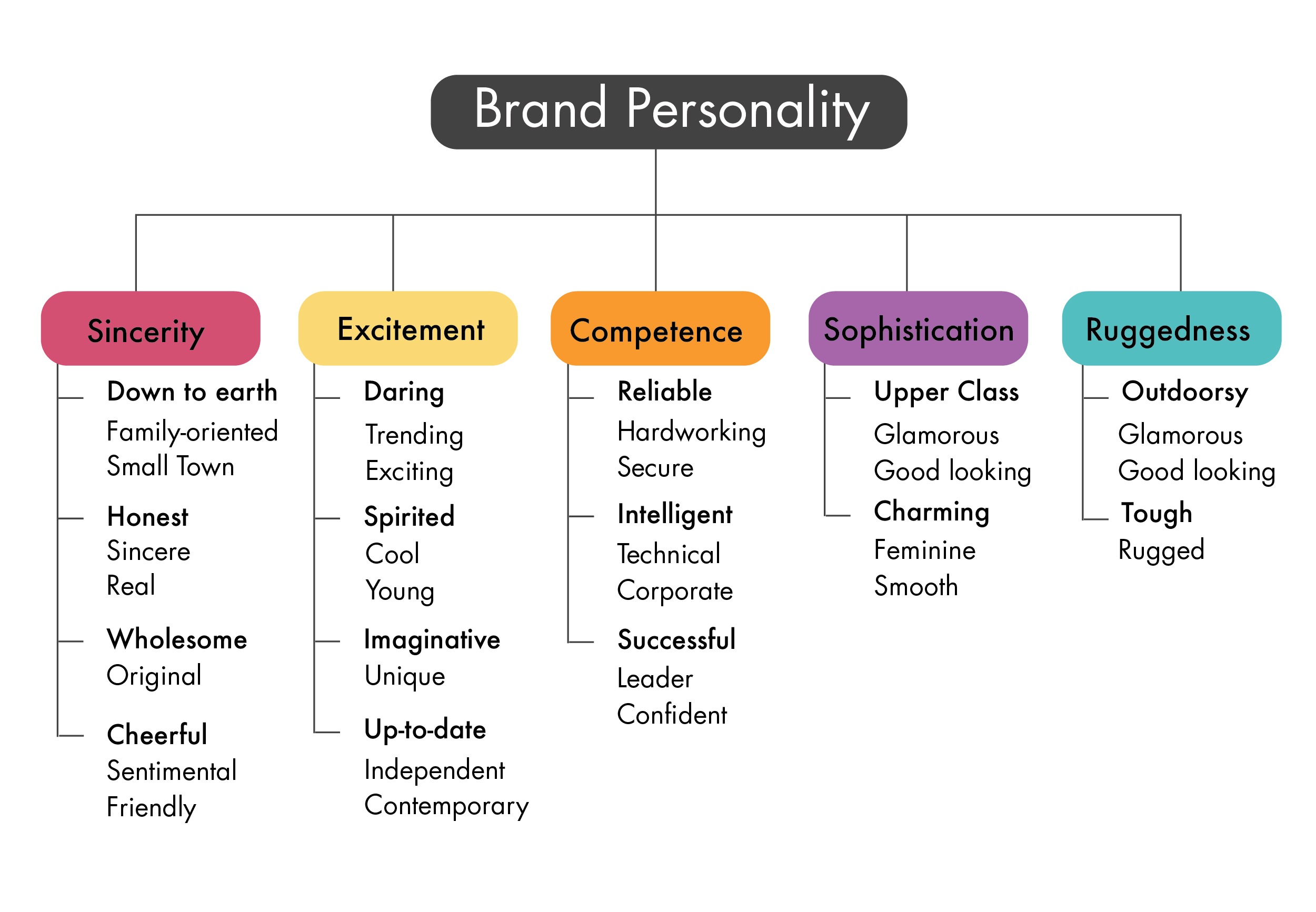
Brand Personality: does it increase Brand Loyalty? – VEMT – The ...
The Aaker Brand Personality Framework – A Good Guide to Follow! (Source: VEMT)

Use frameworks like Jennifer Aaker’s widely used brand personality framework to help determine what kind of a personality you want to give your brand. As a result of the personality you wish for your brand to have, the tone in which you communicate with your customers and through your advertising will be altered to reflect that personality.

Conclusion

Branding is quintessential in helping businesses grow. That is a sentiment that is reflected by over 80% of marketers. It shouldn’t come as a surprise as we know how through branding, companies can create a perception in the consumers’ mind that make their business’s offerings seem way more valuable than it should be. Branding is a long-term investment that will reap benefits in the form of name recognition and increased customer loyalty. It is one of the most powerful tool in your business’s arsenal to help your business sustain competitive advantage over competitors.

Today, we have covered what you should achieve from an effective branding campaign as well as the means to achieve it. We understand that this may be quite overwhelming to do on your own and to digest. If there is one thing that you MUST not forget after reading today’s article it is that CONSISTENCY IS KING in branding.

If you need help with understanding branding and how can you better position your brand, you can reach our Gurus at MarketingGuru who will give you a FREE consultation on your online branding strategy. We will take the time to go through with you what we can do to help your business with your branding and give you a tailor-made proposal that can help you with strategizing your online branding strategy.

We do customized proposals because it aligns with our brand’s promise of delivering beyond expectations

We will go above and beyond to customize your proposal and help you find the best-fit strategies to help improve your branding.

We hope you enjoyed and learned a thing or two about branding from this article!
mg

How Can Businesses Affected by COVID-19 Prepare for Life After Pandemic?

The Norm After The Storm

The coronavirus has changed the way businesses operate and put some businesses out of commission. We are already about 5 months into this pandemic and yet the uncertainty remains. With questions like “How long more is this going to last?”, “Has the virus peaked yet?” and “When can my company get back to business as usual?”. These questions are most likely going to remain practically unanswerable.

What we do know for certain however is that there will be an end to this pandemic, the storm will eventually pass, and business as usual will be back in time to come. However, the impact of this pandemic will last and businesses must adapt in order to nurse themselves back to life.

Analysts are coining the term “The New Normal” to describe how drastically things would change in terms of way businesses handle their operations after the pandemic. The transformations undertaken by some companies to adapt to the norms of the current COVID-19 predicament will result in a shift in consumer behavior and habits.

For businesses to quickly bounce back and return to scale post-COVID-19, they would have to plan ahead. Reimagining and reinventing their own companies based on what this new normal means for their operations.

The signs of what the new normal is, point to going digital. A Nielsen research conducted in Asia has shown that consumers who shopped online the first time during the pandemic are very likely to continue to shop online in the next 12 months. Ecommerce and online sales have long been a thing and were always seen as the potential culprit in killing off traditional brick-and-mortar retail. Now, the once-rising industry has transformed to become a part of everyone’s lives, being the only way for businesses to reach out to their customers in these trying times.

This is exactly why businesses would require a digital strategy now more than ever. Crafting a digital strategy is a daunting task, especially for businesses that haven’t primarily engaged in any of their online channels prior to this crisis. But fret not, because this article is here to help. We will be discussing digital marketing tips and ways that businesses affected by this pandemic could use to help them gain a spring in their bounce back into the new norm.

Adding Value to Your Customers with Your Digital Strategy

Having people stay at home and not go out for social activities would mean more time to be productive. People have more free time now to invest in finding ways to upgrade themselves and their skillsets. This is evident from a quick Google Trends search on the search term “Online Courses”.

Google Search Trends for Online Courses have been on the rise

We could clearly see in the graph shown by Google Trends that there is a spike in the search term around the Mid-March period where many countries were going into a full-blown lockdown. Other search terms like “Online courses during lockdown” and “Free Online Courses During Coronavirus” are also rising search terms.

This is a fantastic opportunity for businesses to tap on.

Some of the industries that were hit the hardest by this Coronavirus pandemic are apparel and non-food retail sector. The rising trend of online courses can be utilized by these businesses. Businesses operating in these sectors could offer quality online courses that integrate their company’s products into the course’s content to attract new customers. For example, apparel businesses can come up with online styling courses or manuals that use their company’s upcoming product catalog as part of their styling references. This creates excitement and generates hype for the company’s upcoming and existing products.

Having quality content is also another way to boost your brand’s image. By creating online courses that enrich your existing and potential customers’ lives, your business will be seen as competent front-runners in your domain. This helps to perfectly prime you for business right after the pandemic!

Offer Free Courses for Your Customers, Like Moz did! (Source: Moz)

Courses are of course one way of offering informative content to your potential customers, there is a whole range of methods that you can also utilize to add value to people’s lives like Infographics and how-to videos. Just remember that as a part of your digital strategy, Google Trends will come in handy in helping you to spot and identify the types of content that people are looking for in this period.

Find New Means of Marketing

video marketing for covid-19

As a business, adapting to the new norm would mean re-thinking the ways that your business has been delivering its marketing messages

Media and content consumption has been increased due to this pandemic. GlobalWebIndex’s Media Consumption report has shown that 76% of U.S. online video watchers say that they plan to consume just as much of online video content after the outbreak as they did during the outbreak.

The increase in online video consumption presents itself as an opportunity for businesses. Brands are capitalizing on the hike in media consumption by creating video content to entice their customers, adding to their repertoire of methods in reaching out to customers.

As retail businesses cease to operate during the mandated lockdown periods in countries all over the world, companies look toward creative mediums to reach out to their consumers.

One emerging trend that retailers are employing during this period is the use of livestreams to sell their products. This is akin to the popular early 2000s infomercials on television where products would be promoted with their benefits being shown. Livestreams are evidently a well-received source of entertainment during the COVID-19 period, with Chinese eCommerce giants Taobao’s showing double the sessions on their livestream platform.

Similarly, the events industry which has taken just a big of a blow as retail with cancellations due to government mandates, have also taken to video streaming as a means of continuing engagement with customers.

With the likelihood of media consumption remaining about the same post-COVID-19 based on surveys, it is safe to say that your company should start expanding your digital strategy to include livestreams and video content. The new normal that we’re about to head into may be one that is dominated by video content and by preparing to content to properly market on these channels ahead of your competitors is what will help you bounce back after the dust has settled.

Advertising Ahead For The New Normal

Another strategy that companies can employ is to advertise ahead and market promotions that will begin after the pandemic.

An industry that could utilize such a strategy would be the travel industry. Neil Patel’s blog article on web search traffic amidst the COVID-19 pandemic has shown that the travel industry’s search traffic has seen the greatest decline. This may seem like an alarming trend that should force agencies to hit the panic button and pull out of their marketing efforts. However, companies must remember that there is still a market to capture after the pandemic. Traveling will be one of the things that is on many people’s to-do list after the pandemic.

According to research by Acquisio, click through rates going down and cost per click going up for the travel industry during COVID-19. It may seem sub-optimal to continue advertising on digital paid advertising channels. But, businesses must remember, with the number of companies pulling out of their paid ads, it also means lesser competition and a larger market share waiting for you to capture.

Instead of pulling out of paid advertisements, we would recommend for companies in industries like travel and hospitality to actually continue with these advertisements. After all, you’re only paying upon clicks from potential customers. It would be advisable to carry on with these paid advertisements, but of course, it has to be done with some tweaks.

Flight Cancellation Search Volume During COVID-19 (Source: TowardsDataScience)

For a start, search volume for cancellations of flight, hotel booking, travel restrictions are sky high at this point in time. This is sub-optimal for your paid ads campaign. To counteract this and be more effective with your paid ads, look to add negative keywords relating to cancellations, COVID-19 and travel advisory. You should also be looking to promote on your paid ads, promotions and deals that can be used after the end of this pandemic.

Continuing to keep your ads up will help your business with regaining momentum post-COVID-19 as it would help give it continued exposure to potential customers, granting you the opportunity to cater to them after the pandemic. With some adjustments, your ad spending will become more optimized, helping you weather through this storm while preparing for the new norm.

You may not see immediate results, but remember, this is the long term that we are planning for!

Optimizing Your Webpages

The lockdown in many countries resulted in a spike in consumer online shopping. Whether is it food orders, groceries or daily essentials, many businesses have adapted their business delivery means so that they can continue to operate.

Post COVID-19, consumers that were once wary of purchasing their products online may become more open to buying online. The act of online purchases may become more ingrained into people’s lives as they get used to it.

The effects of the consumer online purchasing behavior may last and now’s a better time than any to be looking at optimizing your own business’s site to gain more exposure and traffic. For a start, you could look to improve your website’s user experience (UX). Start by asking questions like: “Is my website easy to navigate?”, “Would I be able to find what I want as a consumer?”.  Improvements to the UX of your website can help greatly in this period as it could drive more conversions by lessening frustrated customers that churn due to a bad UX. You can further improve your customer’s UX by quickening your webpage’s load speed as well – which, might we add, is also a crucial ranking factor in Google’s search engine algorithm. Other things that you can do would be to publish valuable content related to your products and industry. These would help you rank better in the results page. For more methods on helping your site rank better on Google, check out our article on actionable SEO tips.

Optimizing of your website for the search engine during this time would be one of those good long term investments that you’re making for your company. By ranking higher during this period can help you gain new customers and maintain top of the mind awareness from your potential customers, which translates to more business when we transition into the new normal.

Consistent Engagement on Social Media Channels

To prepare for what happens after the whole pandemic, your business must retain existing customers! The best way to do so is to tap on your existing social media channels to engage them.

We have a global crisis on our hands currently and consumers are looking for companies that they can rely on and trust in tough times. This is an opportunity for you to prove to them that your brand’s reliability.

Give constant updates on changes in business delivery methods as well as operating hours during the outbreak period. Your customers want to hear from you and would be interested to find out the preventive measures your business is taking.

Engagement on social media is also another way to show customers that you care. Think of ways to run promotions or product trials and demos during this period to help ease some of the financial burdens that some people are facing. Discounts and trials will help present your company as a company that is making a conscious effort towards those affected by the virus.

There are other means to constantly engage your customers in this period outside of social media, but it is imperative that you have a digital strategy to plan out engagement touchpoints and execute them during this period. This helps you to have a consistent stream of engagement with customers, allowing for retention, increased trust and potential new customers after the lockdown period.

Wrapping it Up

Preparing for what comes after the storm now is crucial. You don’t want to be heading into the post-COVID-19 period, clueless about what the new business norms are. Take this time to understand what your consumers are looking for and prepare for what the new normal is.

Today’s article has highlighted the importance of having a digital strategy during the COVID-19 period and how it will help your business recover as we transition into a new normal following the outbreak.

Here’s a quick round-up of the tips we’ve covered today

  • Publish Valuable Content to Increase Your Brand’s Image of Competence
  • Find New Marketing Channels and Means to Market Your Products Online
  • Advertise Ahead for the Post COVID-19 period
  • Optimize Your Site for Exposure
  • Consistently Engage to Gain Trust

All these tips should help prepare your company as we head into a more digital normal – based on consumer behavior signals and surveys. If your company requires consulting from a digital marketing agency, MarketingGuru is here to help!

We are offering free SEO audits and consultancy for companies looking to transform their marketing strategy into a more digital one.

Stay safe, practice these tips and your company will come out of this storm stronger than ever.

image-4

5 Influencer Marketing Trends That Your Business Should Use in 2020

image-4

The social media marketing game is huge and has grown to the level where brands engage social media influencers to help their brands gain awareness and attract new customers. This is why it is important to be aware of the influencer marketing trends.

Influencers’ have reach and yields that are not to be underestimated. With social media playing a pivotal role in many people’s lives, it is no surprise that influencer marketing – a once supplementary marketing strategy, has grown to become a primary strategy employed by the biggest companies in the world.

What is Influencer Marketing?

You’ve probably heard of the term “influencers” on social media before. Influencer marketing is a collaboration between a brand and one of these influencers to market the brand’s product or service. The purpose of course is to tap on the influencers’ popularity to gain brand recognition and win customers from the influencers fanbase.

The question that you’ll probably then ask is “What difference is influencer marketing compared to using a celebrity?”. Influencers are different from celebrities in the sense that they can be anyone found on anywhere. They don’t have to be popular movie stars or A-list personalities. It could be a reputable journalist, a respected designer in the fashion industry or anyone in any industry really. What makes them an influencer is the following and reputation that they have because this is what gives them influence. They are known people or experts in their own domain and hence, this makes the content that they share the most engaging and noteworthy. Thus, businesses in their domains will look to reach out to use their influence on the particular demographic that they are targeting.

The Influencer Marketing Industry

Influencer marketing has grown into a $15 billion industry. Despite the problems faced by this industry, such as influencers with fake followers, it is still an industry that continues to grow rapidly. This can be attributed to consumer trends and behavior such as, 74% of consumers trusting social networks when making a purchase decision. Influencer marketing also has shown significantly high returns on investment for businesses with the average influencer marketing campaign earning $6.50 for every dollar spent.

While it is important to grow your business through digital channels like SEO, the influencer marketing industry is definitely a good alternative mean. The figures mentioned above should allow you to grasp how this industry is able to grow into an industry with the magnitude it has today. It should also very likely kindle your interest in trying to grow your business through such a channel. To help you in your influencer marketing journey, here are some trends that your business should look out for in influencer marketing for 2020.

Trend #1: Use of Micro-Influencers

When engaging in influencer marketing, typically businesses would want to be as cost-effective as possible. This means getting the most value out of the money spent on engaging these influencers. At the same time, businesses would require the meeting of certain KPIs like engagement, conversions and leads generated when utilizing influencer marketing.

This brings about the struggle of what is the appropriate kind of influencer to pick. Influencers can be categorized into three different categories: nano, micro, and macro-influencers. Nano and micro refer to the influencers with smaller reach – in the range of 1,000 to 100,000 followers.

Now, your first reaction is probably that nano and micro-influencers probably won’t get you enough traffic and awareness that your business is looking for as they could only get you 100,000 followers, at best. But, do bear in mind that costs for engaging in influencers are not cheap. Engaging influencers usually cost in the range of $10 – $25 per thousand followers for a post. Below is an influencer engagement pricing chart did up by Influence.co. You can see that the rates scale exponentially when it goes into the macro/mega-influencer range.

influencer.co marketing influencer rates
Average Sponsored Instagram Post Rates by Influencer.co

 If your business operates in a niche field that the micro-influencer is actively involved in or has a follower base that may have interest in, it may be more cost-effective for you to use these smaller influencers. This is because consumers these days desire engagement with the brand and it has been proven that engagement rates are higher with micro-influencers who have an engagement rate of 3.6% compared to macro-influencers’ 1.5%. Higher and more genuine engagement is also more likely to help translate the extra reach you’re getting into sales.

Engagement Rates Among the Different Influencer Categories (Source; Later.com)

Trend #2: Emerging Alternative Influencer Marketing Platforms

Typically when engaging in influencer marketing, you would think of Instagram as the undisputed king of influencer marketing and that is probably still true today. However, there are other platforms that are starting to emerge as major channels in influencer marketing.

Tik Tok, a short-form video social platform has seen a sudden growth over the past year, amassing 2 billion total app downloads. Its young user base – 66% of them under 30 years old, has allowed it to be a platform that is suitable for businesses targeting the younger age demographics. Major brands like RedBull have also engaged in smaller Tik Tok influencers. RedBull hired KeeOh, a Tik Tok content creator with 5,000 followers to create a funny short video involving their product, using humor to make the followers interested in its product. It is a perfect example of using smaller-scale influencers to gain cost-effective yields on TikTok by utilizing memorable content.

 Twitch, which is a video game streaming site, home to the best gamers and internet personalities, is also utilized by non-gaming related brands to advertise their products. For example, KFC has used one popular Twitch PUBG streamer’s (Dr. Lupo) channel to advertise their marketing campaign. This helps their brand be noticed by the viewers and create demand amongst them. Twitch’s platform, while primarily gaming related, also has streaming categories such as “Just Chatting” and “IRL”, allowing these streaming personalities to just stream live feeds of themselves hanging out and talking to viewers instead of playing games. The interactivity for influencers on these platforms with their audience is high because of the live chat in each streamer’s channel, which allows advertisers to also engage almost directly with the influencers’ audience.

These alternative platforms are definitely worth checking out as they may help businesses to be more specific in targeting and could prove to be more cost-effective in terms of gaining engagement and brand awareness.

Trend #3: Long Term Partnerships with Influencers

Another trend that will prove to be effective in 2020 for influencer marketing is long term partnerships with influencers. Brands are going to become more invested in influencer marketing and as such, they start to seek long-term partnerships with influencers instead of a one-time advertisement or endorsement.

Brands will start forming partnerships with influencers and engage them in the long run. This is useful as it creates more touchpoints for the brand with the influencers’ followers, allowing for more content to be produced. The result is a more cohesive campaign with a better brand recall among the influencer’s followers.

gymshark influencers marketing
GymShark’s long-term collaboration with Fitness Influencers helped them grew exponentially (Source)

One trend that will be useful to marketers in 2020 is to go beyond the series of influencers endorsed posts and have the influencers be involved in the products. Brands like GymShark were first to hop onto this strategy early on in their business. GymShark started off its marketing by sending out free samples of their workout clothing to influencers and eventually ended up collaborating with some of these influencers to create the influencers’ own line of products. The partnerships and collaboration with these influencers will help businesses to build a greater sense of trust and commitment toward the brand with their followers, resulting in long term benefits.

Trend #4: Using a Storytelling Approach

Generally in sales advertisements, companies tend to come up with catchy, memorable and short captions in order to ensure that its target audience is kept interested and that their attention is captured. In influencer marketing, however, it has become a trend for companies to do the opposite of the traditional advertising methods.

The use of an influencer would mean that businesses want to create a message that will resonate well with their followers. As such, the best way is to craft a story that details the influencer’s personal experience with their use of your products or services.

Instagram’s caption limit of 2,200 words has allowed influencers to write in detail their story and experience with using the endorsed product or service. Functions like Instagram Stories can also be utilized to craft a cohesive story regarding your brand.

Since followers of these influencers get a glimpse into their daily personal lives, they would be able to understand and see some of the struggles faced by these influencers. By showing how your company’s product or service helps these influencers solve some of the issues that they face or their personal experience with your product, their followers would be more sold and feel more involved with the product.

Trend #5: Utilizing Video Content

Video content in marketing is definitely hot with online marketers now with 87% of them using it. This is probably due to how video content gains on average, 135% more organic reach as compared to other forms of content.

This explains why it is essential to incorporate video content marketing into your influencer marketing campaign. Influencers are able to help you create an array of different video content, from product reviews to short-form stories, unboxing videos and even live streams

By creating content based around your product will allow these influencers to better promote your product and in the case of live streams, they can engage your target audience better as it allows for direct chatting with their followers. The result of these efforts is a greater appeal visually for your target audience.

Conclusion

Influencer marketing is a channel of marketing that should be tapped on due to the number of engagements and brand recognition you can create. These 5 trends on Influencer Marketing in 2020 should be able to help guide and give you an idea of how your influencer marketing campaign should be like.

You may wish to consult a digital marketing agency with these tips in mind to help you run your next influencer marketing campaign!

HL_M47_01-2048x1365

25 Essential Digital Marketing Terms You MUST Know

Trying to understand some of the terms being used in the digital marketing world may be a little overwhelming for business owners looking to engage in this industry. Acronyms and jargons such as CPC (Cost Per Click), CTR (Click Through Rate), CPA (Cost Per Acquisition), CTA (Call-to-Action) and plenty others get thrown around so frequently.

MarketingGuru is here today to help you clear the cloud of confusion surrounding digital marketing by introducing you to essential digital marketing terms. Whether you are a business owner or an aspiring digital marketing strategist, this glossary of digital marketing jargon is quintessential for your journey into the world of digital marketing. Let’s dive in and enhance your knowledge!

Digital Marketing is a term that encapsulates all forms of online marketing. This includes Pay-Per-Click advertising (PPC), Search Engine Optimization (SEO) and Social Media Marketing (SMM). The aforementioned three are core components to digital marketing and as such we will split the terms based on these three categories. Bear in mind though, some of the terms could be used for more than just one category.

Pay-Per-Click Advertising Terms

Pay-Per-Click advertising is a method of digital marketing where businesses pay for the clicks received to their website through search engines. These advertisements are run on platforms such as Google, Facebook and LINE Ad Platform to name a few.


1. Click-Through Rate (CTR)

CTR refers to the percentage of users who click on your link per impression. Calculating CTR is simple, you just have to take the total number of clicks to your link in the ad and divide it by the impressions, which is the total number of times that it was shown to people. CTR shows how engaged people are with your advertisements or link, helping you determine if the advertisement is effective in getting people to click.

2. Cost Per Impression (Sometimes known as CPM)

CPI generally refers to the rate that is being paid for 1,000 views of an advertisement. Impressions strictly refer to an appearance of your ad in front of your user, regardless of whether or not the user has engaged with the advertisement.

3. Negative Keywords

Negative keywords are keywords that can be added to your advertising campaigns to ensure that your ads are not displayed when people search certain terms. For example if you don’t want your advertisements for your travel agency to show up when someone searches for tour cancellations, you can add in the broad match negative keyword “cancel” to your campaign. This helps to increase your lead quality, boosting your campaign’s effectiveness.

4. Geo-Targeting

Geo-Targeting is a method used to specifically target and only reach the users from the area of your choosing. The method of geo-targeting is good especially for local businesses looking to draw the crowd of around their vicinity. Google is able to locate where a person is searching from and will only show them ads that are the most relevant to them

5. Broad Keyword Match

When adding in a new keyword to target for a PPC advertising campaign, the default match setting will be broad match. This basically means that if somebody searches for your keyword in any variation, your advertisement will appear.

6.  Exact Keyword Match

When you choose exact keyword match your advertisement only shows up when a user keys in the EXACT same phrase as your keyword in the exact way that it is written. This means that your advertisement will not show even if relevant keywords are being queried. This is good for your ad if you don’t want it shown against the broad range of search variants that people could search for to get to your products.

7. Phrase Match

Phrase match is a PPC keyword setting that only shows your ad when the user’s search has the exact phrase of your keyword or similar variations of the phrase of your keyword. Phrase match allows for additional words before or after the keyword phrase.

8. Cost Per Click (CPC)

CPC refers to the average cost that you are being charged for a single user’s click on your advertisement. Cost Per Click can be calculated by taking the amount spent on the campaign divided by the total number of clicks from users. CPC is an essential tool when running PPC campaigns because an optimal advertising campaign would best have low cost per click, maximizing the value of each click.

9.  Remarketing

essential digital marketing term remarketing ads
Example of Remarketing Ad (Source: BlueCorona)

Your business ads will be shown to users who have previously visited your website when they continue browsing other pages on the display advertising platform. Remarketing is an especially useful tool for convincing potential buyers who have shown interest in your website but previously decided not to make a purchase for various reasons. The purpose of utilizing remarketing is to target high-quality leads, as these previous visitors have higher intent and are more relevant to engage with.

10.  Dynamic Product Ads (DPA)

essential digital marketing term dynamic product advertisement example
Example of Dynamic Product Advertisement (Source: Advertisemint)

Dynamic product ads (DPAs) are paid advertisements that appear on Facebook and Instagram, making them relevant to both PPC and Social Media Marketing. Like retargeting ads, DPAs target individuals who have shown interest in your website based on their internet browsing history. Businesses with a wide product catalog ranging from 10 to 20 products find DPAs particularly useful. DPAs dynamically display different sets of items from the product catalog to users with varying interests, giving them the name “dynamic.” Users can set their goals for DPAs, whether it involves upselling or cross-selling products. DPAs serve as an effective retargeting method for companies looking to expose their customers to complementary products.

Search Engine Optimization Terms

This is the part of the glossary that confuses people. Businesses looking to acquire SEO services are often met with companies that will give them recommendations or tell that what they would do to optimize the website. Things like meta description, alternate text and backlink building will be some commonly seen terms. The following section will explain these keywords (pun intended) relating to SEO and help you in the future when you encounter them.

11. Meta Description and Meta Title

Meta description, keywords and titles are tags that are added inside the HTML document of a website.

meta title and meta description
Meta Title and Meta Description

The meta description serves as a concise summary of a page’s content and appears in the snippet of the search engine results page. These descriptions play a vital role in increasing user click-through rates when engaging with search results.

Meta titles, on the other hand, function as the “name tag” for a webpage. They serve as the title of the webpage itself and are displayed on the browser tab, indicating the current page to the user. Meta titles are crucial elements in search engine optimization (SEO) as search engines read them, and altering them can impact your website’s search engine rankings.

.

12. Off-Page SEO

Off-page SEO refers to optimization to help your business rank better on the Search Engine Results Page (SERP) that occurs off your business’s webpage itself. These form of optimization could come in the form of lead generation activities such as email marketing, social media marketing or even content marketing.

Generally when SEO companies talk about helping your brand do off-page SEO, they are referring to backlink building (another term in this guide!). Backlink building is a strong off-page SEO technique for helping your business rank better on search engines as backlinks help search engine robots to recognize your website as being more trustworthy and credible.

13. On Page SEO

On-page SEO are optimization activities that happen within a website. On-Page SEO activities include writing quality relevant content for your keywords, optimizing your webpage’s load speed (yes, this matters in helping you rank better!) and tagging pictures with alternate text. All of these would help in making your web page rank better for your keywords as it would increase your web page’s relevance to search engines.

14. Organic Search

Organic search refers to the unpaid listings on the Search Engine Results Page. The display of organic search results is determined by the relevance ranking of a web page to a search term. Search engine algorithms evaluate this relevancy to provide users with the most relevant search results based on their queries.

Likewise, when companies refer to organic traffic, they are discussing the unpaid traffic that a website receives.

15. White Hat SEO

One feature that digital marketing companies like to promote is their white hat SEO techniques. White hat techniques basically refer to techniques that comply with Google’s guidelines. This means that when a company promotes themselves as using white hat tactics, they are basically just telling you that they do not engage in unethical SEO methods like keyword stuffing which would result in penalties from Google.

16. Anchor Text

Anchor text refers to the text that is being used to hyperlink to your website. Anchor texts are important in SEO because it helps Google’s search engine algorithm understand what the page that is linked to the anchor is about. For example if I were to link a page in this article using the anchor text “Budget Hotels”, Google would be able to tell that the page is likely to be a page related to budget hotels

By doing this often enough in a natural manner, Google will be confident that the page in question has definitely got to be relevant to the search term budget hotel and will therefore rank it for that search term.

17. Robots.txt

Robots.txt is also known as the robots exclusion protocol. This is a standard that helps website to convey to web crawlers and robots which pages of the website it should crawl and which parts of the website should not be scanned.

The robots.txt file is important in SEO as it will help you to block off pages that are duplicates in your website to web crawlers. Blocking them off will improve your web site’s search engine performance as duplicate pages can hurt SEO rankings. Additionally, robots.txt help you to block off pages from users and not allow them to be indexed on Google’s search engine results page.

18. Web Crawlers

Web Crawlers are robots that are used by search engines to index the content of websites all over the internet. Crawling the web to search for sites will lead to these websites being indexed by Google so that it appears in search engine results

19. Responsive Site

This refers to having a website that is designed to adapt according to the user’s screen size. Regardless of the user viewing it on a desktop or on mobile, a responsive site will change accordingly to fit the screen size.

Having a responsive site helps your website rank better in search engines because Google does mobile-first indexing, primarily prioritizing the indexing of a website’s mobile site first. This shows the added emphasis for having a responsive site.

20. Backlink or Inbound Link

Backlinks, sometime known as inbound links, are links to a webpage that comes from an external website. An example of this would be if this blog article were to be linked on another website, it would count as an inbound link to MarketingGuru.

21. Domain Authority

Domain authority is a score that is developed to indicate a website’s relevance towards a specific field or industry. The relevance of the website impacts a website’s ranking by search engine as search engines algorithms take into account domain authority when trying to rank websites.

22. Long-Tail Keyword

Long-tail keywords are keyword phrases that are typically three to five words long. These phrases are specific and are usually in the form of questions. The significance of using long-tail keywords is that they are generally easier to rank for compared to normal keyword phrases. They also are very specific, which implies that the customer searching for this already know what exactly it is they want, this makes them a higher quality lead as it takes less to convince them to buy your products.


Social Media Marketing

Last but not least, we will be covering some of the commonly seen terms in Social Media Marketing.

23. Lookalike Audience

Lookalike audience are created by using emails list. Lookalike audiences refer to users that are similar to your existing customers/users. To target lookalike audience, you can upload your email list onto your Facebook campaign. Facebook will then use data of these emails and find users similar to that of those in the email list to target.

Lookalike audience is particularly useful in helping companies discover new customers similar to their existing customers.

24. Engagement

Engagement in Social Media refers to interaction that users have with your brand. They may come in the form of comments, shares or likes. Having higher engagement is great for your brand as it helps search engine view your website as being more credible, helping you get better domain scores.

25. A/B Testing

This term could fall under multiple categories, but we generally use this method for paid social media advertisements and Google advertisements. A/B testing refers to split testing in which you will run around 2 to 3 similar ads at the same time and determine which one is the better performing ad. After which, you can choose to use the advertisement that perform the best as the main advertisement or make alterations to the worse performing advertisements.

A/B testing is useful in helping you learn what your target audience likes more and is essential in optimizing your social media advertising campaigns.

26. Relevance Score

For Facebook advertising campaigns, there will be a metric known as the relevance score. This score is given to your advertisements by Facebook and will help them to determine the relevancy of your ad to keywords.

Relevance score is an important factor as a higher relevance score would allow for your ads to show up more often compared to your competitors and for less money. This will help drive down Cost Per Clicks in your Facebook advertisements.

That Was a Whole Lot!

That was, indeed, plenty of Digital Marketing terms for one article! We hope that you were able to learn something new today and cleared up some of your queries with regard to certain digital marketing terms.

Having a better understanding of these terms can help you as an aspiring marketer learn how to fix things when something goes wrong with your campaign. As a business owner, learning these terms will help you to know what some of the marketing agencies you’ve contacted are talking about when you’re being pitched to.

We know that this article doesn’t cover the full scope of digital marketing terms. Let’s face it, there’s a whole lot of it out there! But if you have any questions regarding digital marketing terms or digital marketing strategies, feel free to contact our gurus at MarketingGuru! We will be more than happy to help you with improving your digital marketing knowledge.

Viruses, coronavirus or bacteria cell in close up. 3D render of global crisis patogen

COVID-19 Digital Marketing and SEO Tips: How to Prepare Your Business for the Downturn?

The COVID-19 epidemic has impacted many businesses across the globe. At this point in time, companies around the world that felt the impact of dwindling sales and falling consumer spending as a result of the COVID-19 outbreak.

As a business, you must have a plan to be ready for the long run despite the pandemic’s effect on your business for this period. Because of governmental regulations from countries around the world and recommendations from the World Health Organization (WHO), people are looking to stay at home or avoid going to crowded places. This results in many businesses, especially those in the retail sector, taking a hit in their sales.

Don’t Panic and Pull the Plug on Your Campaigns!

The COVID-19 period will be trying times for businesses. Those that are operating on tight cash flows will struggle to stay afloat. However, we must realize that this epidemic will not last forever and eventually, life will carry on. This is no time for you to panic and bail on your business.

We’ve heard from customers and customers of our friends that are concerned about their marketing campaigns, with some even pulling the plugs on their campaign and keeping their marketing on hold until the hold epidemic dies down. For brick-and-mortar stores, this is a good time to look into alternative marketing methods. Online marketing could be an avenue worth exploring if you’re a retailer that hasn’t engaged in it yet. In our opinion, when dealing with the business downturn, companies should look for alternative means to market rather than to immediately pull the plug. Reason being, pulling the plug on your campaigns now might potentially lead to an even harder struggle when trying to recover from the downturn. You will very likely be competing in an oversaturated environment as businesses aggressively market in an attempt to recover from the impact of COVID-19.

The use of online marketing to help tank some of the damage that your business is about to take in this period is crucial. Marketing firm Dentsu Aegis Network’s research has shown that 14% of 155 surveyed stated that they were moving their offline media budget to online media. This makes sense as the more this virus progresses on, the more people are going to take it more seriously and self-isolate. Thus resulting in higher internet usage naturally as these are some of the forms of entertainment for people to pass time when they’re not outside.

What we would suggest for businesses to do in this trying period is to prepare for what happens afterwards. The higher internet usage during this period creates more opportunities for your brand to engage with your target audience. Thus, if anything, your business should be looking to capitalize on these opportunities presented to you as a result of the circumstances. Here are some of the ways that you could use SEO and Digital Marketing to prepare your business for the COVID-19 downturn.

1. Prepare For What Happens Afterwards by Retaining Existing Customers

Your business’s presence will be important in these times. After all, if you operate in the retail sector, chances are people will start forgetting about your brand as social distancing and staying at home becomes more commonplace during this period.

In order to prepare for the aftermath of the whole Corona virus situation, it is important for your business to remind customers that you still exist. You are at risk of losing your customers if you distance (pun intended) away from them without any communication. Besides, it is cheaper to retain existing customers than to acquire new ones.

For a start, your company could look to create more content than before during this period. The idea behind using content to engage with existing customers in this period is that naturally, more content will be consumed as everyone starts to increase their internet usage. It is important to remind your customers and keep them updated about what is going on with your business in terms of upcoming innovations and promotions after the whole COVID-19 saga looms over. This will help your customers be reminded of your company’s existence and creates more customer touch-points to engage with them (although we would recommend you keep physical touches at a minimal of course).

Social Media is another great way to help with retention. This is evidently seen from statistics predict that ad spending on social media platforms is set to rise by 22.2% as a result of the Corona Virus. A recent study has also shown an increase in 76% in daily accumulated likes on Instagram advertisement posts in the past two weeks. These statistics show much extra time consumers will be spending on social media during the outbreak.

The key to retention is engagement and communication with your customers. Your customers are interested in finding out how your business is handling the whole COVID-19 situation and what alterations are made to your business delivery methods. They would also want to know that the company that they are buying for cares for its employees, customers and community by implementing measures to help prevent the spread. Thus, it is essential that your company partakes in social media engagement to remind your existing customers of your brand’s efforts in preventing the spread of COVID-19 and interact with them to keep them with your company.

2. Make Sure Your Google My Business Profile is Up to Date

Image result for google my business

COVID-19 has caused many businesses to operate on special hours in order to help prevent the spread of the virus. To help with your customer’s experience of buying or using your company’s services, you must update your Google My Business (GMB) profile. This is a recommendation from Google. Google has asked businesses to update their business hours on their GMB profile, update their business descriptions and write posts to update customers. For example, if your restaurant is only doing take outs during this period, it is important to let your customers know that so they can plan accordingly.

Additionally, you could utilize GMB’s Question and Answer feature to help people understand what your restaurant’s status is and answer some of their worries during the COVID-19 season. Get your employees to help upvote the answers so that it would show up in your business’s knowledge panel as the main question.

If you haven’t already set up a Google My Business profile (which you definitely should!), it is important to have one right now during the COVID-19 epidemic. This is because local searches will see a surge with more people searching for keywords related to businesses near them. To avoid catching the virus, people are looking to commute less in order to avoid large crowds and consequently, they will look for the nearest places to get their necessities. Now is definitely a good time to capitalize on local searches and gain more customers!

3. Have Anything Related to COVID-19 or Cancellations as a Negative Keyword

Image result for google ppc

This tip is especially essential if you’re in the travel or events industry and running Pay-Per-Click (PPC) advertisements. Due to travel bans from governments around the world, travellers’ plans get changed. Companies that want to help their customers out in these circumstances and improve their PR would offer cancellations and even refunds. If you are currently running PPC ads and in these industries, it is best for you to plan in the long run. If this all sounds very foreign to you and you aren’t too sure about what PPC ads are, we have an article written for you that explains the benefits of Google Advertising.

To plan for the long run, you could perhaps shift your PPC budget to target more keywords that are for promotions in the future. Plan for promotions that are only going to happen maybe 4 or 5 months down the road and start targeting these promotions. On top of that, another trick you could employ if you’re still advertising for your company with PPC is to add negative keywords. Keywords tied to cancellations of bookings like “cancel” or “covid-19” can be added to the negative matches list. This helps you not waste your budget on people who are not searching to make a booking.

4. Use of Keyword Research to Plan Business Delivery

With the different ways the COVID-19 can spread, businesses look toward different business delivery means. What is important here is that your business can make use of SEO and digital marketing to help with planning out your business delivery means.

Say for example you’re an events company. Instead of your usual delivery of hosting seminars in exhibition halls, you could look for alternative methods like hosting a webminar for your audience online. Or, if you’re in the grocery or food and beverage business, you would do take outs instead of dine-ins.

To help you make a better-informed decision on what is the kind of business delivery mean your company should execute in these times, you can utilize keyword planning tools. Not sure whether or not you should do drive-in pickup or curbside delivery? Should you do a recorded webminar in place of your events or a live stream on your Facebook page? Keyword researching will help you to make these decisions. By finding out which of these keywords have higher volume in your area, you can help make better-informed decisions on which forms of business delivery is more suitable for you.

Adapt, Improvise, Overcome!

Image result for adapt improvise overcome
Source: KnowYourMeme

The unexpected epidemic of COVID-19 has indeed caused many businesses to tank. We hope that in this article we were able to help you understand how you could use digital marketing and SEO tactics to help keep your business prepared for the months to come.

Just remember, this phase of COVID-19 will pass eventually and everything will return to normal and stabilize. Search Engine Marketing will remain as an essential tool for your business still after all of this is over. Do not panic and pull the plug on your digital marketing efforts, just adapt to the situation, improvise on your campaigns and delivery methods and eventually, overcome this tough period. After all, tough times don’t last, but tough businesses do!

If your company needs an SEO expert well-versed in producing content for social media as well as help you manage your PPC campaigns on multiple platforms including Google, Facebook and LINE Ad, do not hesitate to contact us now on our website! Our business is still fully running despite this outbreak so rest assured, we will definitely get back to you as soon as possible.

Handsome creative young Vietnamese man working on laptop at his table

5 Effective Tips to Work from Home as a Marketer

Handsome creative young Vietnamese man working on laptop at his table

The world has been hit hard by COVID-19. The virus has already spread to the point where the World Health Organization has declared COVID-19 a “pandemic” and naturally, companies all around the world have taken measures to ensure that their employees are kept safe. One of the more popular measures that undoubtedly most of us are going to experience is a work from home arrangement. Today, MarketingGuru will be sharing with you 5 effective tips to work from home as a marketer based on our work from home experience.

A work from home arrangement is certainly something that doesn’t come too often and to be very honest…it is fantastic. Gone are the days where you have to be subject to your colleagues’ constant bickering and whining on how little sleep she got yesterday night because of her baby’s crying. Working from home entitles you to perks like working in your pyjamas and sitting comfy on your couch barefoot with your lo-fi hip hop chill beats playlist blasting through your speakers!


Tip #1: You MUST Absolutely Plan for Your Day/Week

work from home article planning picture
Asian woman is planning and writing notes on paper on glass.

Are you in charge of multiple client’s digital marketing projects? Do you still have your company’s marketing, SEO and PPC efforts that you have to deal with? If you answered “Yes” to any or both of the questions, then you definitely must have a plan for the day.

The difference between working from your own home and being at the office is the fact that you can do whatever you wish to at home and nobody would know. This, coupled with the absence of live meetings with other people, it is very easy for you to lose track of your goals for the day.

jira project planning for work from home
Jira’s Project Planning Tool (Source)

For starters, you could use personal reminders and create events throughout the day to notify you of when you should start on what tasks. If the work-from-home arrangement is to persist for a longer time, project management tools could also be used to help teams stay on schedule and track their work timing. For personal use, we would recommend using Google Calendar One recommendation that we could give if you have a team to manage and track is to use a project planning software like Jira, which allows task completion timings and track your projects. With your team onboard, it would be just as efficient due to how everybody is able to understand the project’s progress and requirements daily by looking at the timelines and project board. Planning was definitely a crucial aspect of making the work at home week productive for our company.

Tip #2: Couch, Bed, Café, Wherever. Find a place where you are the most productive

work in cafe

Does it sound way too comfortable for your boss’s comfort that you’d be working on your bed during the work from home? Truth is, even if it does, you probably should continue doing it if that is really where it helps you work the best. If home doesn’t work for you due to how big a distraction your surroundings are, find a café, although it might not be exactly advisable at this point in time with Covid-19 being this widespread.

What our Gurus realized is that it is essential to have an established spot at home where you can properly sit down and be productive every day. Be it, on your bean bag, in the kitchen or anywhere else. It is important that you have a nice comfy workspace where you can be productive.

Tip #3: Establish Tools for Collaboration and Meetings Beforehand

zoom collaboration tool

This is particularly important for marketers because while COVID-19 persists, brainstorming meetings, meetings with leads and clients will still continue.

Interaction is definitely a key aspect of working in a marketing team. Decisions have to be made, jobs have to be delegated, things have to be discussed with constant back and forth from the parties. For your marketing company to have a seamless experience working from home, face-to-face video conferencing should be considered. From our experienced, we used an easy to use, free videoconferencing software called Zoom, which allows up to 100 users in a video conference at the same time. For collaborations that require remote access, we used TeamViewer, which allowed our IT team to helped our graphic designers and staff troubleshoot their computers whenever something goes wrong.

While we understand that some companies may be very used to the formalities of having to send emails to get work approved or pass information. We would encourage the use of instant messaging collaboration tools like Slack to get the message across. You wouldn’t want your inboxes to be flooded!

 Tip #4: Your Home, YOUR MUSIC!

work from home with your own music

Now that you’re in the freedom and comfort of your own home, why not just blast some music that can help you set the mood for work? This could be useful since you’re a marketer who might require different kinds of music to get you in the mood for the array of tasks that you could handle.

Personally, I’d like to play some lo-fi chill hip hop beats to get me through the tasks that require more focus such as editing a webpage’s code for Search Engine purposes. But for tasks like content writing? I would blast myself some good old hard rock music to get my gears going for inspiration. Setting the mood correctly with music can significantly increase your productivity. Research has actually shown that 90% of workers perform better when listening to music.

So now that you’re given the liberty to play your own kind of music, do it and boost your productivity at home!

Tip #5:  Prime Yourself for Work by Creating a Routine

When working normally from the office, we all have our usual routines. Waking up at a set timing, feeding the dogs before brushing our teeth, washing up, getting dressed and then heading over to the subway station via a 15 minutes walk. This routine is what helps set the tone for the day and makes us productive as these are habits that we are used to.

Working from home breaks this mould and because of that, some of us actually found ourselves very lost with the spare time we’ve had. This resulted in feelings of sluggishness when we drag ourselves to the laptop screen. However, after creating a set habit that’s different from our usual work from office habit, some of us feel that these feelings of laziness get shaken off.

Creating structure is essential for helping you start the day. It helps you to get prepared and gives some form of certainty to your work. This resulted in enhanced productivity. The perks of working from home are that you have more time for this routine and structure since you remove the need to commute to the office.

Conclusion

Work from home does pose its own set of challenges, such as communication issues with colleagues. The idea may initially sound unproductive, but trust us, it actually can be just as productive or even better than in the office. We hope that with these tips that we shared from our experience working from home during this COVID-19 period can help you become a more effective marketer working from home!

Business Plan Graph Growth Writing Notebook Concept

3 Key Marketing Campaign Considerations You MUST Know Before Starting a Campaign

Business Plan Graph Growth Writing Notebook Concept

Today we will be discussing the 3 key marketing campaign considerations you must know before starting a marketing campaign. The old adage goes “If you fail to plan, you plan to fail”. This sentiment holds true especially when it comes to starting your marketing campaign. One important aspect to your business’s branding efforts is to show alignment in every customer touch point, making sure your brand’s message and image is consistent to your audience. Thus there is a need for an increased emphasis on planning out your marketing campaigns and the messages it should convey. Regardless of whichever form of Marketing you’re dealing with, it is crucial that you’re able to identify the kinds of tone that your client wants to maintain consistency for their brand across all channels.

Before we start every Marketing campaign, regardless of whether is it a Pay-Per-Click, an SEO one or a Social Media Management campaign, we will always require our clients to fill in a campaign brief form that details essential information regarding their brand. At MarketingGuru, we pride ourselves as being able to come up with personalized proposals for each client and as such, the planning step of a Marketing campaign is one that we will put a lot of time and effort into crafting.

Consideration #1: Brand Values and Messages

marketing brand values - red bull banner
Redbull Gives You Wings – Image Source

The first important consideration when planning out any form of marketing campaign is always the brand message and values. Consistency in brand message across every piece of content crafted by your brand will leave the message imprinted in your consumers’ mind. This is paramount to your business’s branding.

When we talk about brand message consistency, we don’t mean for your brand to have precisely the same message through every piece of content that you create, but rather, it is about having a consistency in values of the message that you’re trying to drive across. These values are what attracts and helps your audience to relate to your brand. It is about how your company inspires them through the conveyed message on the advertisement, making them want to be a customer of your brand.

To make this concept of brand values and messages easier to understand, here are a few examples of brand messages in the form of slogans from a few of the world renowned brands:

  • Nike – Just Do It
  • Adidas – Impossible is Nothing
  • Subway – Eat Fresh
  • Redbull – Gives You Wings

Of course, brand messages and values aren’t just catchy one liners that roll off the tongue easily. It is definitely more than an attractive slogan. The reason why these taglines work for the aforementioned companies are because the brands that carry them reflect the messages in their products and other customer touch points. Brand values and messages consist of an amalgamation of your brand’s products/services point of differentiation, value proposition, target audience and positioning. These elements will then serve to guide your marketing campaign and should be reflected in every content that your company churns out.

redbull marketing space jump
Redbull does indeed give people “Wings” – Source

One of the most successful example of delivering a consistent brand message that conveys the company’s values would be Redbull. Redbull, while having a catchy slogan of “Gives You Wings”, reflect this very message in the events they sponsor. Redbull sponsors extreme events, ranging from sponsorship of Formula One teams to mountain biking events and even to Felix Baumgartner’s freefall parachute jump from outer space. Their social media page is filled with content like point of view videos of extreme sports stunts and adventures. Although at the very core of their business, Redbull is just an energy drink company, its messages and brand value of bringing energy and “giving wings” to people in their everyday lives is consistently felt throughout their Marketing efforts. This model is also replicated by many of its competitors like Monster Energy drink and Reign Body Fuel, both of which whom followed suit into Redbull’s Marketing model of sponsoring and hosting such events.

Ultimately, putting in thought into what brand messages and values your company has is important prior to your execution of any marketing campaign. It will set the tone for the channels that you select and the kind of content you will produce and share. Having a solid idea of your brand message and values will make your marketing campaigns more successful as it helps consumers better relate to your company.

Consideration #2: Brand Voice and Tone

Every brand must be treated as a person. A person brimming with life and personality. Therefore it is essential that the person’s voice and tone, which is your brand’s persona, be properly conveyed through in every piece of Marketing content that gets produced. If you have no idea what sort of personality or what kind of persona you want your brand to have, here’s a commonly followed framework by Jennifer Aaker.

brand personality framework jennifer aaker - key marketing campaign considerations
Aaker’s Brand Personality Framework – Source

This is of course not the only framework that must be followed, there are also other frameworks out there like the brand archetype framework that can help guide you in creating a brand personality.

Once you’ve decided (or already have) crafted your brand’s personality, you must help its personality show through your brand’s voice and tone. This could be done in a multitude of ways. It could be as simple as how your brand reacts to certain news on its Twitter account to the way your emails are sent.

One example of a brand using its tone and voice on social media to convey its personality is fast food chain, Wendy. Generally, you would expect restaurants chains to want to shape their brand’s personality around the traits of being Sincere, Competent and Exciting. Wendy is no different, their brand also seeks to portray themselves in such a manner. They do it in a very effective and innovative manner by responding to users on Twitter with wit, displaying their brand’s wit, humor and relatability.

wendy twitter roast - brand voice and tone
Wendy’s a true savage. Image taken from BoredPanda

By responding in such a manner helps Wendy to form their brand’s personality in the minds of consumers. Consumers would find Wendy’s interactions and roasting of users on social media platform to be relatable, akin to how friends roast each other. This is in compliance with their brand personality of being down to earth and funny.

By planning out the tone that you want to set for your company when dealing with the different customer touch points, you will be able to help better bring across your brand’s personality to your target audience. This makes it easier for them to buy into your brand as it becomes easier for them to agree with your brand’s messages and value

Consideration #3: Unique Selling Point

Before the inception of every company, their owners MUST already have a unique selling point in mind. This is the reason why your business is even in the market, it is the sole reason for why your business exists and what makes your business stand out. Of course this must be a consideration when executing the marketing plan.

Every company must be able to convey what makes them special and this must be very clearly shown in your marketing material.

In order to do this, you must ascertain what is it that your company could do that has a demand in the market that your competitors can’t fulfill. This will be the unique selling point. Conveyance of this point in your marketing message could be done through means like infographics and press releases highlighting your product’s or service’s features.

Conclusion

When people think of marketing and advertising online, oft times, they just think of throwing an amount of budget, targeting the right audience and hope for results. They tend to forget greater considerations like how they ultimately want to shape their brand’s consumer perceptions and values that they want to be associated with. Today we have covered the important considerations that you should always look for and plan out before you start your marketing campaign. Hopefully, this article helps you better understand that marketing, be it traditional or digital, requires a well thought out plan and campaign brief. These considerations if stated clearly and thought out well, will help you shape your brand’s success not just in that campaign alone, but also for the future.

istock-1162567225

The Most Engaging International Women’s Day Marketing Campaigns

istock-1162567225

Happy International Women’s Day!

On the 8th of March of every year, countries around the globe celebrate International Women’s Day. It is the day where women’s achievements from fields ranging from political to economical are celebrated and honored.

Marketers also see this as an opportunity for them to put their brands out there. Whether is it to increase their brand awareness or boost their public image by coming up with campaigns that help to display their corporate social awareness. This is an opportunity that is perfect for them to both celebrate the achievements of women and turn it into profits.

Today we will be looking at some of the most creative and engaging International Women’s Day campaigns around the world, from social media marketing campaigns to display advertising campaigns.

Campaign #1: Women’s Aid, “Look at Me”


https://youtu.be/wEybVOerb9Q

The first campaign that we are looking at is an award winning marketing campaign from Women’s Aid that has won multiple awards and has achieved an astonishing global reach of 326.9 million people.

The project was an interactive outdoor billboard campaign. Women’s Aid worked together with creative agency, WCRS and Ocean Outdoor to craft this campaign.

Women’s Aid displayed their billboard screen in public areas with high crowd volume in the United Kingdom such as Canary Wharf and Birmingham Bullring. On the billboard is the image of a woman who has been battered and badly bruised. The billboard was an interactive one. As people pass by the billboard and ignore it, the billboard would remain the same. However, if people were to stop by the billboard and look at it, the bruises on the woman’s face would start to fade and eventually completely heal.

Image result for blind eye women's aid
Women Aid’s Look at Me Campaign

Women’s Aid cleverly adopted facial-recognition to execute the campaign. They used cameras that could help detect when someone was looking at the billboard screen which would prompt the change in the advertisement display. The display was programmed in such a way that the more number of people looked at it, the quicker the face would change to show a fully healed one.

The campaign’s message was simple and delivered excellently. Its message was clear, to not turn a blind eye to domestic violence. If you can see it, you can make a difference and change it. When combined with experimental and innovative advertising technology, Women’s Aid successfully propelled the campaign into virality. Videos of the campaign were widespread throughout the internet and its success can be seen with how much reach it has achieved. By gaining such reach, Women’s Aid helped bring to light the severity and importance of reaching out and helping women who are suffering from domestic abuse.

Campaign #2: Dove, “Real Beauty”

https://www.youtube.com/watch?v=XpaOjMXyJGk

This is one of the most famous earlier International Women’s Day campaigns. In 2004, Unilever promoted International Women’s Day with their personal care brand, Dove. The campaign was about women’s perception of themselves compared to a stranger’s, highlighting the gap in perception.

In this campaign, Unilever teamed up with an FBI-trained forensic artist, Gil Zamora. The women in this campaign were subjected to two different blind sketches from the forensic artist. One is a sketch of themselves based on their own description of how they looked and another is a sketch based on the description of another person’s description of them.

The campaign showed the resulting sketches, with the women’s own description of themselves being wrongfully low, resulting in a worse looking sketch compared to that of another person’s description of them.

This campaign is very well aligned with Dove’s brand objective of wanting to be seen as a brand that helps to liberate women from having to live uncomfortably based on societal beauty standards. Dove also has other campaigns that drives this message across, with campaigns like #MyBeautyMySay.

Creating an incredibly emotion evoking campaign is certainly a great way to help Dove spread their brand’s message and create a lasting impression of the brand identity. This campaign was effective as seen from how the video, which was created in 2004 way before YouTube’s inception, has 68 million views. The video still gets shared in social media to this day and are shown in marketing classes in colleges.

Campaign #3: PayPal, “#BalanceForBetter”


https://youtu.be/57KV-1PT4mA

A more recent International Women’s Day campaign is PayPal’s campaign titled “#BalanceForBetter”.

For the campaign, PayPal released a video that features businesswomen in leadership roles talking about ideas and their experiences with trying to bring gender balance in the workforce. The video was fully produced by a wholly women team. In the video’s introduction, statistics on the gender imbalance in terms of promotion opportunities and earning power are flashed on the screen, bringing awareness to the viewer immediately from the start.

After which, the remainder of the video is a good four minutes of a discussion between PayPal’s executive vice-president for chief business affairs, Louise Pentland and a panel of business leaders including Lisa Edwards and Heidi Zak. Themes that were discussed ranged from, risk-taking, fundraising and diversity. All of which are factors that women entrepreneurs have to face challenges in when they venture into a business.

On top of the video, PayPal also supported female-run businesses by making a $2 donation to causes that support women for every purchase at select retailers. This campaign was run from 8th March to 23rd of March of 2019. To back up their support for women, PayPal has also displayed full pay equity in terms of salary around the world for both men and women.

This campaign is successful as it is an engaging and relatable video that highlights the struggles that were faced by businesswomen who made it big. All of which helps to create awareness to the greater issues faced by women and also help PayPal’s image of being a socially responsible company that places emphasis on tackling such issues.

Campaign #4: Barbie, “Close The Dream Gap”

https://www.youtube.com/watch?v=FZ8Sgkq74XA

Barbie’s campaign in 2018 is based off a research that shows that starting from age 5, many girls start to form and nurture self-limiting beliefs that they are not as capable or as smart as boys. This in turn molds the belief in them that their gender limits them to doing certain things and that they aren’t capable of being anything they want to be. The Dream Gap Project was launched by Barbie in 2018 to help deal with this belief.

Through this project, Barbie seeks to provide the tools and resources girls need to pursue these dreams and create a continued belief in themselves. The company has partnered with crowdfunding site GoFundMe to gain additional funding for helping to level the playing field for girls. They raise $250,000 which went into three charities aimed at helping girls.

As part of this initiative, Barbie has also created dolls of inspirational women around the world from different fields from: para-athletes, Olympic champions to journalists. The main objective of the campaign is aligned with Barbie’s senior vice president, Lisa McKnight’s message of “Girls should never know a world, job, or dream women haven’t conquered”.

This campaign is a highly effective one as Barbie successfully integrated their campaigns into their own line of products by creating figures that serves as inspiration to girls around the world. The meaning and impact of this campaign cannot be understated due to how widely popular Barbie is among young girls around the world. Having such a strong message allows Barbie to strengthen their identity as a company that wants to empower and create a change in young girls around the world. This is certainly one of the more powerful campaigns we’ve seen.

Conclusion


With the multitude of ways that we see brands engaging in International Women’s Day marketing, we hope you are inspired to come up with something just as empowering and impactful.

MarketingGuru would like to wish all the amazing women in our company and around the world a Happy International Women’s Day. We hope these campaigns are able to inspire you with coming up with a meaningful campaign as well!

LINE_AdsPlatform_LOGO_v2

4 Reasons Why Line Ad Platform is HUGE for your Online Marketing

Online marketing is an important aspect for capturing your target audience’s attention. In our blog posts, we usually cover things like Facebook ads, Google ads and Search Engine Optimization tips and tricks. Today we will be shifting our attention to one of the most effective ways to market your products online. If you intend to expand and penetrate the Thailand market with your company, Line Ad is definitely worth using to help boost your brand’s awareness and reach.

What is LINE?

LINE is a leading social media platform in Thailand, with 84% of internet users in Thailand reporting that they’ve used the social messaging platform. In 2019, it is reported that Line has a total of 44 million users in their country whose population is 69.2 million. This is as good as having two thirds of the country actively using the platform! When it comes to the power of Line ad in the Thai market, the numbers don’t lie.

LINE’s Presence in Thailand is massive, giving you more reasons to advertise on it.

However, wanting to advertise on Line is different from Facebook or Google Ads. For Facebook and Google, you can just create an account for yourself and set up the advertisements on your own after putting in your ad budget. Line requires you to look for a company that provides Line Ad services in order to put your advertisements on LINE Ads Platform. Which is why it is important for you to first look for an agency that provides Line Ad service. Our company, MarketingGuru, are happy to help you with that! We have staff that participated in Line Ads Platform training and are well equipped with skills imparted from LINE’s training to help your company succeed in advertising on the Line Ad platform.

In this article, we will be covering what exactly Line Ad platform is, 4 of its interesting features and how it will be able to help raise your business’s status in Thailand.

Introduction to the LINE Ads Platform

LINE Ad Platform is an advertising platform that allows businesses to advertise on the social messaging platform LINE. Advertising on the platform requires for companies to do it through a marketing agency that is a partner of Line only. This means if the company doesn’t engage in marketing services as its core service, they wouldn’t be able to become a Line partner.

In the Line Ad platform, there are multiple types of advertisements that can be done. Advertisement styles include static image advertisements and videos. These advertisements can be displayed on different places in LINE including LINE timeline and LINE Today. It works similarly to Facebook in which companies would set the desired budget and use only that amount. However, in Line Ad the user gets to choose which campaign objective they want. LINE will through the use of its SMART Channel algorithm, help you optimize your budget and display the ads at appropriate places across their platforms for your target demographic.

Additionally, the algorithm will measure the users’ behavior on websites that they’ve been on and will analyze this accumulated data. After which, LINE will help you to place your ads at appropriate places for the target audiences you have in mind based on their behavior.

Feature 1: Campaign Objectives

As mentioned earlier, LINE ad requires you to pick a campaign objective and use its machine learning to help with your advertising. Listed below are the 4 campaign objectives that users can choose from in LINE ad.

Brand Awareness

This objective is particularly good if you’re a new brand looking to penetrate the Thai market. By choosing this objective, LINE’s algorithm will help you to position the ad banners at the right places sch that you can gain the most clicks and be the most visible to your target audience.

Increase Customer Base

Businesses looking to gain registrations, installations, or lowering down their cost per customer acquisition can look to use this objective in their Line Ad campaign. This is because Line will help to promote links that lead to their app download page. Another method is to use the company’s LINE official account to gain friends on LINE to send out future promotions, helping them to gain more customers.

Increase Sales

Brands can use LINE ad to collect information on interested audiences who clicked or purchased their products. LINE can help increase sales by helping them to retarget these audience in the future, that way increasing sales.

Maintain Existing Customer Base

With Line’s dynamic product placement, maintenance of a business’s existing customer base can be done by personalizing ads shown to the LINE users. LINE’s algorithm learns what the user is interested in and can help businesses to more effectively target the correct audience with interests relevant to their products.

The existence of such a feature on LINE makes it superior to other ad platforms’ advertising since LINE is able to help you decide on the most effective places to put your ads based on your budget

Feature 2: Cost Per Friend

Line Ad platform has a unique feature cost per friend. This feature allows for advertisers to let their audience click on the Follow (or add friend) button for their page while watching the video or display advertisement that is being shown. This makes the experience more seamless for users as they wouldn’t have to leave the page in order to follow the advertiser.

The cost per friend feature most importantly is a feature that is effective in helping companies that want to engage better with their target customer base since cost per friend is essentially trying to get the audience to follow the company’s official Line account. Therefore this is certainly a feature of Line Ad that will help businesses who want to have better engagement and increase their sales through promotion of their products on their Line page.

Feature 3: Target Lookalike Audience

Line Ad platform also allows for a similar function to Facebook in which businesses can target a customer group that is similar to existing customers of either their own company or another company similar to theirs. This customer base to be targeted is known as lookalike audience. Being able to successfully target audience similar to your existing customer base on a larger platform like Line Ad will help your business increase sales since it is one of the widest reaching platforms in Thailand with users averaging 63 minutes per day on the app.

Feature 4: Precise Targeting

The Line Ad platform also allows your business to be very precise in choosing your target audience, granting you the ability to choose the reach and frequency that your business wants out of the campaign. LINE’s ad platform also allows for very accurate Geo targeting, letting businesses choose the exact coordinates and specific provinces that they want their ads to be shown to.

The ability to have these customized targeting features makes Line Ad a very attractive platform for businesses to be marketing their products on as it will help them to be effective with their campaigns.

Ready to Get on the LINE Ad Platform?

With the massive reach that LINE Ad Platform is able to help your business achieve in the Thailand market, this is an opportunity that should not be missed if you are looking to grow. Whether is it to get more awareness in the Thai market or to create more conversion, LINE ad’s different features have got you covered. This of course, can only be done through a marketing agency.

If you’re ready to get on LINE Ad Platform, why not contact us. We will be able to help you customize your marketing campaign based on your marketing needs. Whether you are in need of graphic designing, video advertising, or targeting the appropriate audience, we’ve got you covered!

digital-marketing-funnel

The 4 Important Elements of a Marketing Funnel

digital-marketing-funnel

So you’ve already come up with your fantastic business idea, have your products ready and are eager to drive sales. After a month of implementing various tips and tricks to boost your search engine rankings. Read guides on building a digital marketing strategy for your company, you still haven’t achieved the desired results. This is when you need a marketing funnel.

Search Engine Optimization isn’t ALL you need

We often come across customers with amazing products who face difficulties in driving traffic and generating sales. They have followed various tips like incorporating catchy call-to-action statements in their advertisements, creating visually appealing websites, and producing valuable content for their readers. However, what many of these customers fail to realize is the crucial missing piece that plays a vital role in converting customers and boosting sales: a well-designed marketing funnel.

In today’s highly competitive online marketing environment, the emphasis for standing out amongst the clutter of competitors is more relevant than ever. In this article, we will be teaching you how to successfully create a marketing funnel for your business in four simple steps.

What Exactly is a Marketing Funnel?

The marketing funnel serves as a framework that outlines your customer’s journey and interaction with your company. It encompasses the entire process, starting from the initial stage of discovering your company to converting them into loyal, repeat customers. By breaking down and analyzing your company’s marketing funnel, you can pinpoint areas that require improvement throughout the customer’s journey. This enables your company to have a clearer understanding of what needs to be done at each stage of the funnel. The ultimate objective is to leverage the insights gained from the marketing funnel to achieve higher conversion rates and foster stronger brand awareness.

If you already have a rough idea of what a marketing funnel is and are in need of services such as a FREE Search Engine Optimization audit, drop an enquiry for our gurus at MarketingGuru! Our gurus at MarketingGuru would be more than happy to help your company with an audit!

The 4 Simple Elements of a Marketing Funnel

The marketing funnel is made up of 4 simple elements. They are:

  • Awareness
  • Interest
  • Desire
  • Action

These elements of a marketing funnel fall within different parts of the funnel. Marketing funnels are split into three portions, the top, the middle and the bottom of the funnel. Now that you have a clearer idea of how the funnel works, lets move on to the elements that make these funnels!

Element #1: Awareness

Awareness is a critical aspect of acquiring new customers for your business, forming the top of your marketing funnel. This stage occurs when individuals seeking solutions become aware of your company as a potential provider. There are various ways this can happen, such as through Google, YouTube, or backlinks from other sites. Emphasizing search engine optimization is essential since people often discover companies through search engines like Google. Being one of the top searches in your domain helps create user awareness.

After successfully creating awareness about your company, the next step is to convert this awareness into attention. A proven strategy is to deliver relevant and high-quality content, such as blog posts or YouTube video guides. This approach adds value for visitors to your website and showcases your expertise free of charge. Think of it as a trailer for your company’s exciting Hollywood blockbuster. At this stage, it is crucial to guide your users further down the marketing funnel by providing them with a clear call to action. This encourages them to take the next step and engage with your products or services.

Element #2: Interest

We have now reached the interest stage of the marketing funnel. Your customers have responded to your call to action and visited your website. During this stage, two crucial factors come into play. Firstly, customers will actively seek out more information about your products or services. Secondly, it is essential to keep them engaged and interested. By providing compelling and informative content, you can satisfy their curiosity and maintain their interest.

To create and keep your customers interested in your products, the key is to deliver a top-notch user experience. There are numerous ways to craft such an experience for your customers. At the very core of it, you must understand and be clear about who you are targeting and what is it that they are looking for.

When planning your website, prioritize creating an easily navigable layout for your users. Make sure that important pages for your target audience are prominently displayed to minimize bounce rates and improve accessibility. Enhance their experience by publishing relevant and informative content on your site. The goal is to capture their interest in your company’s products and services. Remember to strike a balance between being informative and making your site user-friendly and appealing to your audience.

Further ways to capture your target audience’s interest would be to create newsletters or e-books and guides. Having your target audience be interested in these value-added content could also help you in creating a lead magnet for your company. Sparking interests on a consistent basis for your target audience is particularly useful in remarketing.

Essentially, capturing of their interest will also reap additional benefits for your company such as decreasing the bounce rate of your website. Interest is an important part of the funnel because this is where you will determine whether or not your customers become potential converts.

Element #3: Desire

Turn the wants into NEEDS!

Your target audience desires the product you are selling and will compare it to your competitors’. But don’t just leave it at wanting; aim to make them truly feel that they need it.

Creating customer desire can be challenging. In the desire stage of the marketing funnel, customers connect your product information with their unmet needs. They seek solutions and explore alternatives to solve their problems.

As a marketer, the crucial task at this stage is to effectively demonstrate to your consumers that your product is the solution they need. To achieve this, focus on providing quality content on your website, such as video demos, blog articles, and product comparisons. Additionally, leverage case studies as a powerful tool in your arsenal to help the audience relate and understand the results your products can deliver.

The essence of content marketing to incite desire is to show and not tell. For more ideas on the kinds of content you could be delivering to cultivate desire, check out this Hubspot article on content marketing.

Element #4: Action

To ensure a seamless and coherent checkout experience for your customers, it’s important to design your website to be user-friendly and intuitive. Firstly, simplify the steps required to complete a purchase, thereby minimizing any potential friction. Use clear calls-to-action, logical navigation menus, and an intuitive layout to guide users smoothly through the checkout process. Additionally, make your website mobile-friendly, allowing customers to make purchases directly from their mobile devices without the need to switch to a desktop. Moreover, consider implementing a simple guest checkout system for users who prefer not to create an account. Furthermore, streamline the checkout process by minimizing the number of form fields. By taking these steps, you can create a smooth and coherent checkout process, enhancing the overall experience and increasing the likelihood of successful conversions as customers progress through the marketing funnel.

Once your customers have purchased your product, it is important to maintain good post-sales support and build a strong relationship with them. Sending newsletters and product updates via email is an effective way to stay connected. Since they have already gone through your marketing funnel before, it becomes easier for them to go through it again. By nurturing this connection, you can ensure ongoing customer satisfaction and loyalty.

Conclusion

This article provides insights on breaking down your marketing into sections to identify strengths and weaknesses. A well-defined marketing funnel is crucial as the framework for your marketing efforts. By the end, you’ll gain valuable insights to rethink and restructure your company’s marketing using the proven marketing funnel framework.